
 English
 Español
Submit feedback

Are High-Brightness Headlights Legal for Trucks
Commercial transportation operators and fleet owners are increasingly upgrading lighting systems to improve nighttime visibility, especially on long-haul routes and rural highways. The use of Commercial Vehicle High-Brightness Headlights has expanded rapidly alongside LED technology adoption. However, regulatory ambiguity and road safety concerns have created ongoing debate about whether these lighting systems are truly legal across different regions and operating conditions.
Unlike standard passenger vehicle lighting, commercial truck headlights often operate under more demanding conditions, including extended runtime, higher vibration loads, and variable load weights that can subtly change beam alignment during operation.
Regulatory limits vary by region and vehicle class
Headlight legality is not governed by a single global standard. Instead, different jurisdictions define limits based on luminous intensity, beam pattern, and installation height.
Common regulatory parameters include:
- Luminous output range: approximately 1,000 to 4,000 lumens for standard road-legal configurations
- Color temperature limits: typically 3,000K to 6,000K depending on region
- Beam cutoff angle precision: vertical cutoff accuracy within ±0.3° to reduce glare
- Installation height restrictions: often between 0.5 m and 1.5 m above road surface
Commercial trucks often sit at the upper end of permissible height ranges, which naturally increases glare exposure for smaller vehicles. This is one reason enforcement agencies pay closer attention to high-mounted lighting systems on heavy vehicles.
In many regions, aftermarket modifications that exceed factory-certified output levels may require additional inspection or certification before road use approval.
Brightness advantages and visibility trade-offs
Commercial drivers favor high-brightness systems due to extended night driving exposure. LED-based truck headlights can produce:
- Output levels between 8,000 and 20,000 lumens per pair in off-road or auxiliary setups
- Beam projection distances exceeding 200–300 meters in clear conditions
- Response times under 0.2 seconds for full illumination stability
- Energy consumption reduced by up to 60% compared with halogen equivalents
Despite these advantages, excessive brightness can introduce glare issues for oncoming traffic. The bluish spectrum commonly associated with LED systems (5,500K–6,500K) increases perceived intensity, even when measured luminance remains within nominal limits.
Safety concerns linked to glare exposure
Road safety discussions often focus on driver perception differences between high-mounted truck lights and standard passenger vehicle headlights. Due to elevated mounting positions, light beams may directly enter eye level of smaller sedans, especially on uneven terrain or sloped roads.
Observed effects include:
- Temporary visual adaptation delay of 1–3 seconds after exposure
- Reduced contrast sensitivity in low-light environments
- Increased risk of lane deviation during glare recovery
- Amplified discomfort in wet-road reflection conditions
Research in traffic safety studies indicates that glare sensitivity increases significantly when vertical light angle deviation exceeds 1.0° above horizontal eye line. This makes beam alignment accuracy a critical factor in compliance assessments.
Technical design factors behind brightness control
Modern Commercial Vehicle High-Brightness Headlights are not simply stronger bulbs but integrated optical systems. Key components include:
- Multi-chip LED arrays with 12–48 diode configurations per module
- Reflector housing designed with segmented optical zones
- Polycarbonate lens covers with anti-UV and anti-scratch coatings
- Thermal management systems maintaining LED junction temperatures below 85°C
- Driver control units regulating current output between 1.2A and 3.5A per channel
Heat dissipation is especially important in commercial use. Poor thermal control can reduce LED lifespan from over 30,000 hours to under 10,000 hours due to accelerated lumen depreciation.
Installation height and beam alignment challenges
Truck chassis variability introduces alignment complexity. Suspension load changes alone can alter beam direction by 0.5°–1.5°, which is enough to shift illumination above safe cutoff zones.
Common alignment issues include:
- Over-illumination caused by rear-heavy cargo loads
- Vibration-induced bracket loosening on rough terrain
- Misalignment after bumper or grille replacements
- Inconsistent calibration after headlight replacement or upgrade
Service technicians often use digital beam setters to calibrate output within millimeter-level precision at 10-meter projection distance. Even small deviations at this range can translate into significant real-world glare differences.
Interaction with auxiliary lighting systems
Commercial trucks frequently use additional lighting systems such as fog lamps, roof-mounted auxiliary lights, and side marker illumination. While useful in low-visibility environments, these systems may complicate compliance if not properly synchronized.
Key considerations include:
- Auxiliary lights must not exceed main beam intensity in regulated zones
- Simultaneous activation limits may apply in urban environments
- Separate switching circuits required for off-road lighting modes
- Reflective surface interference from chrome or polished grille components
Improper integration can result in cumulative brightness levels that exceed legal thresholds even if individual components remain compliant.
Enforcement challenges in real-world conditions
Regulatory enforcement of headlight brightness often relies on inspection stations or roadside checks. However, dynamic road conditions make consistent measurement difficult.
Challenges include:
- Variability in load conditions during inspection vs. actual driving
- Lack of standardized portable luminance measurement tools
- Differences between factory-certified and aftermarket modifications
- Regional enforcement inconsistency across jurisdictions
Some jurisdictions focus more on beam pattern and alignment rather than raw brightness values, recognizing that properly directed high-intensity lighting may be safer than poorly aimed low-output systems.
Industry direction toward adaptive lighting
To address these issues, manufacturers are gradually adopting adaptive lighting technologies in commercial fleets:
- Automatic beam leveling systems adjusting for load weight changes
- Segment-controlled LED arrays that reduce glare zones dynamically
- Sensor-based dimming when oncoming vehicles are detected
- Smart thermal regulation adjusting brightness under high-temperature conditions
Some advanced systems can adjust beam distribution in real time within 20–50 milliseconds, significantly reducing glare risk while maintaining forward visibility.



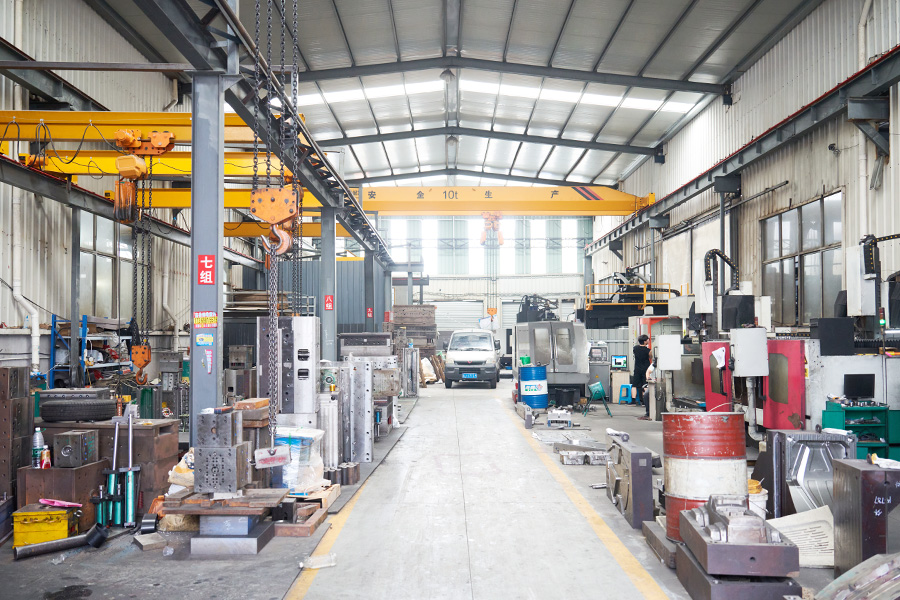
The company focuses on the field of special equipment manufacturing, and its core business revolves around the design, manufacturing and related technical services of injection molds.
© Taizhou Lingfei Mould & Plastic Technology Co., Ltd.
OEM Injection Mold Factory
