
 English
 Español
Submit feedback
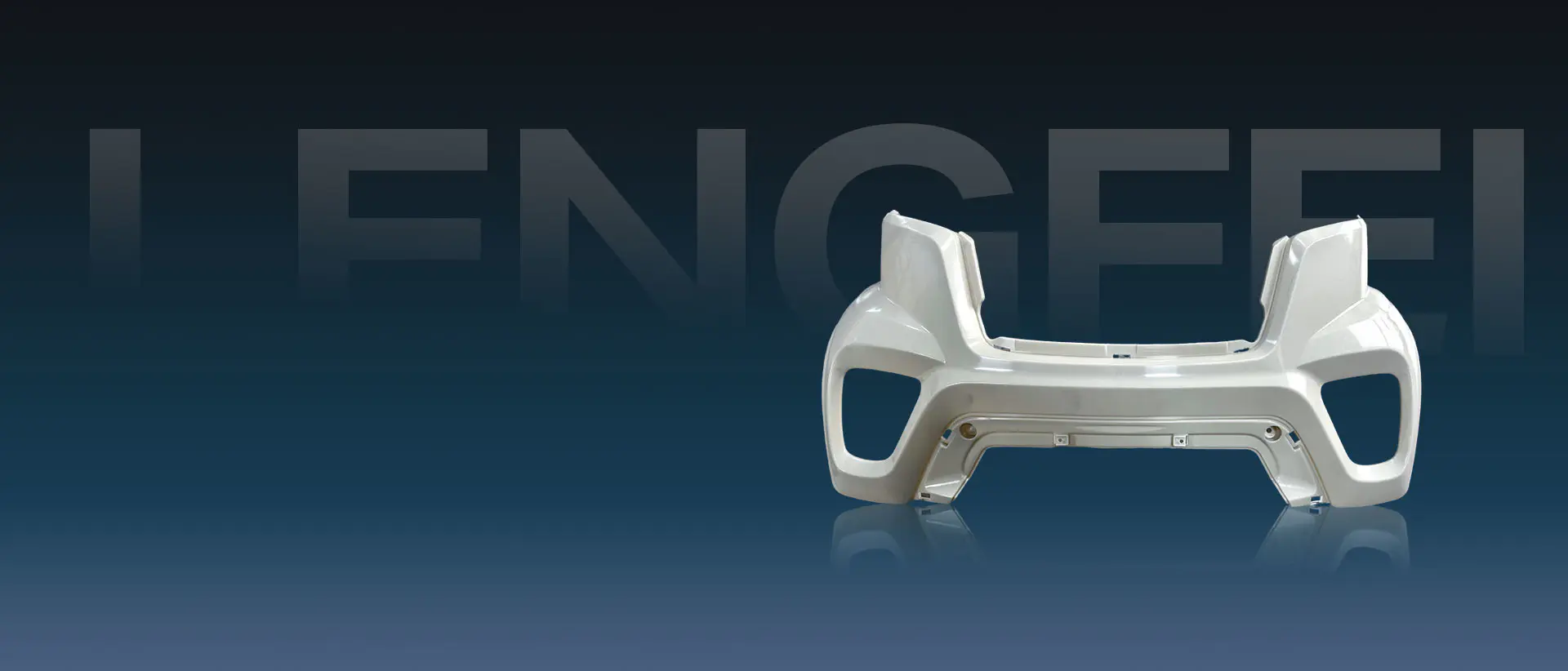


Taizhou Lingfei Mould & Plastic Technology Co., Ltd. specializes in the design, manufacture, and sales of molds for tricycles and four-wheelers, as well as the production of plastic products
. Leveraging the industrial advantages of Huangyan District, known as the "Hometown of Moulds in China," the company is committed to providing customers with high-precision, high-quality moulds and comprehensive plastics solutions.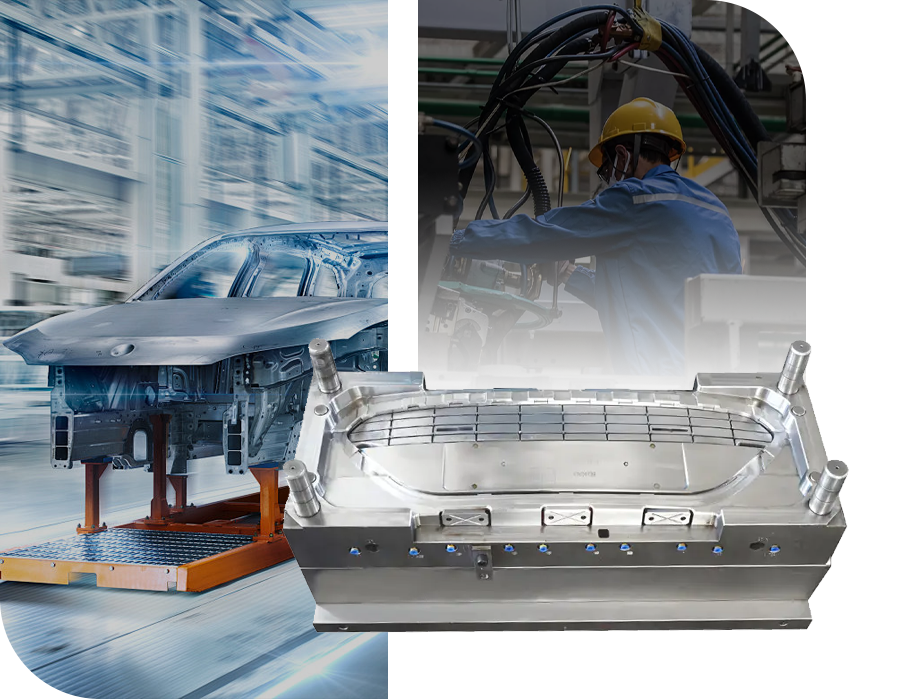
-
Product Categories
Automotive Parts Mould
Automotive parts molds are primarily categorized into four major types: stamping dies, injection molds, die-casting molds, and forging dies.
1. Stamping Dies: Used to produce body panels (e.g., doors, hoods) and structural components (e.g., frames) by forming sheet metal through processes like blanking, drawing, and bending. Their advantage lies in rapidly manufacturing complex curved parts, completing multiple operations in a single press stroke, offering high efficiency and low cost.
2. Injection Molds: Used to manufacture plastic interior components (dashboards, door panels) and exterior parts (bumpers, grilles). Plastic is melted under high temperature and pressure before being injected into the mold cavity. Advantages include the ability to form intricate shapes, high surface precision (high-gloss injection molding achieves seamless, high-shine finishes), and support for mass production.
3. Die-casting molds: Primarily used for aluminum and magnesium alloy components (e.g., engine housings), where molten metal is injected into cavities under high pressure. Key advantages include rapid forming of intricate structures.
4. Forging dies: Employed to manufacture high-strength metal parts (e.g., connecting rods, gears) through high-temperature plastic deformation, achieving dense microstructures. Key benefits include producing precision components capable of withstanding heavy loads, with service lives reaching hundreds of thousands of cycles, and high material utilization rates. -
Product Categories
Electric Tricycle Mould
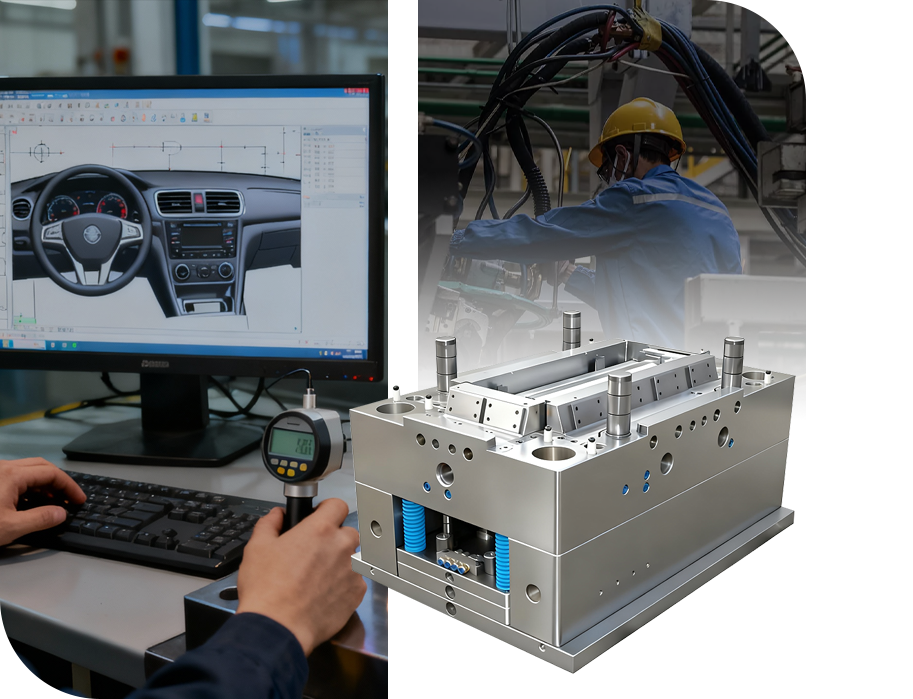
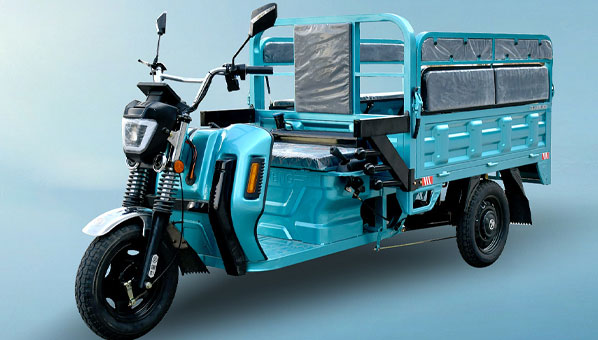
Tricycle molds are specialized tools used in the stamping process. In electric tricycle manufacturing, stamping dies are primarily employed to process metal sheets. Through the stamping action of the dies, the metal sheets undergo plastic deformation, yielding parts with the desired shape and dimensions. These parts undergo subsequent processing and are ultimately assembled into complete electric tricycle products. The operational principle of electric tricycle stamping dies relies primarily on the power transmission of the stamping press and the precise design of the dies. During the stamping process, the press delivers sufficient pressure to force the upper and lower dies together, stamping the metal sheet positioned between them. The complementary convex-concave structure of the dies causes the metal sheet to deform under pressure, thereby completing the part's fabrication.
Application Value of Electric Tricycle Stamping Dies:
Enhancing Production Efficiency: Stamping dies enable rapid and precise processing of metal sheets.
Ensuring Product Quality: Precisely designed dies guarantee consistent part shape and dimensions, thereby safeguarding the overall quality of electric tricycles.
Reducing Production Costs: The stamping process offers advantages such as high material utilization and low energy consumption, contributing to lower production costs for electric tricycles. -
Product Categories
Two Wheeler Mould
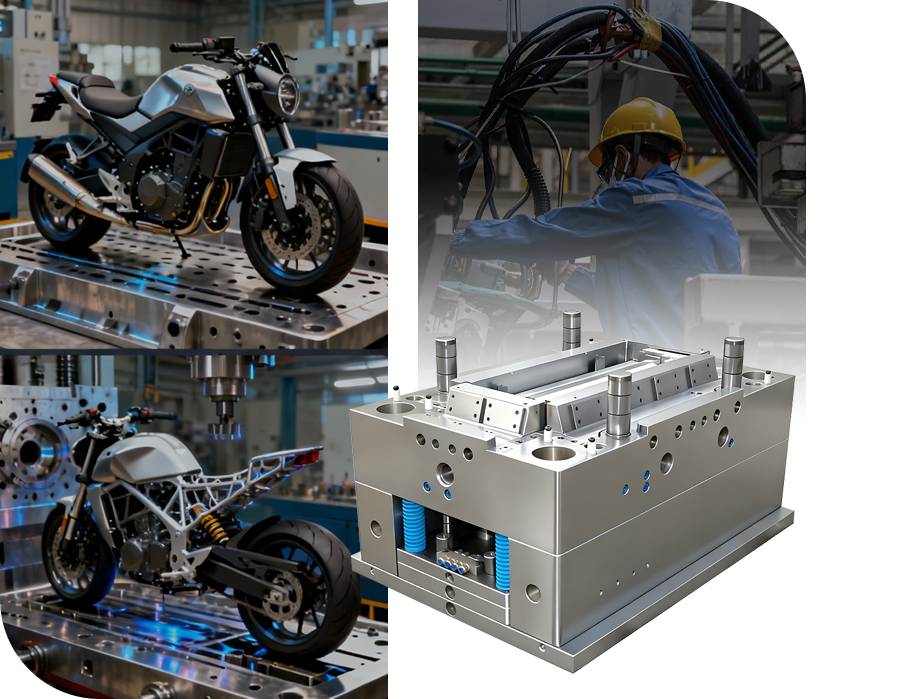
Two-wheeled vehicle molds: Primarily designed for motorcycles, electric bikes, and similar transportation vehicles.
Key advantages include: High efficiency and automation levels enabling continuous production of multiple components. Complex structures such as plastic housings and frame parts can be molded within tens of seconds to minutes, meeting mass production demands.
Strict precision control requirements, versatile production capabilities, and environmental sustainability—characterized by low energy consumption—align with green manufacturing standards. -
Product Categories
Plastic Product Mould
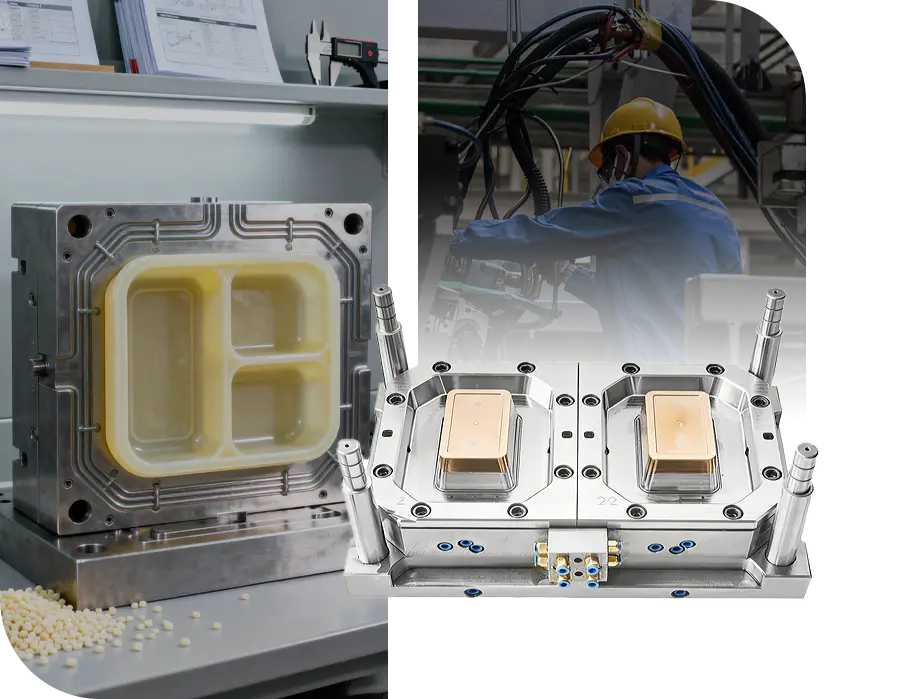
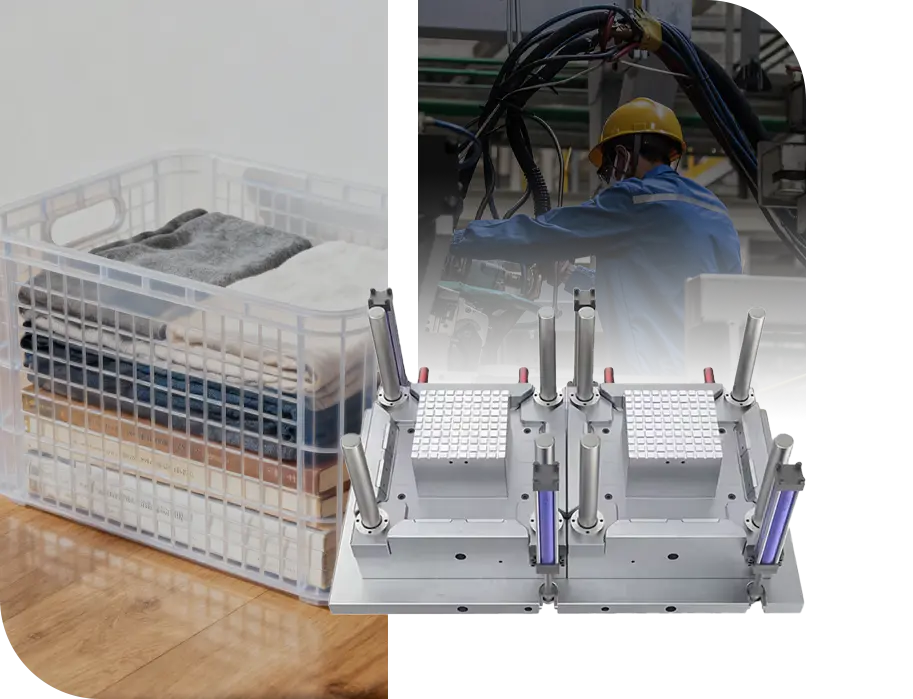
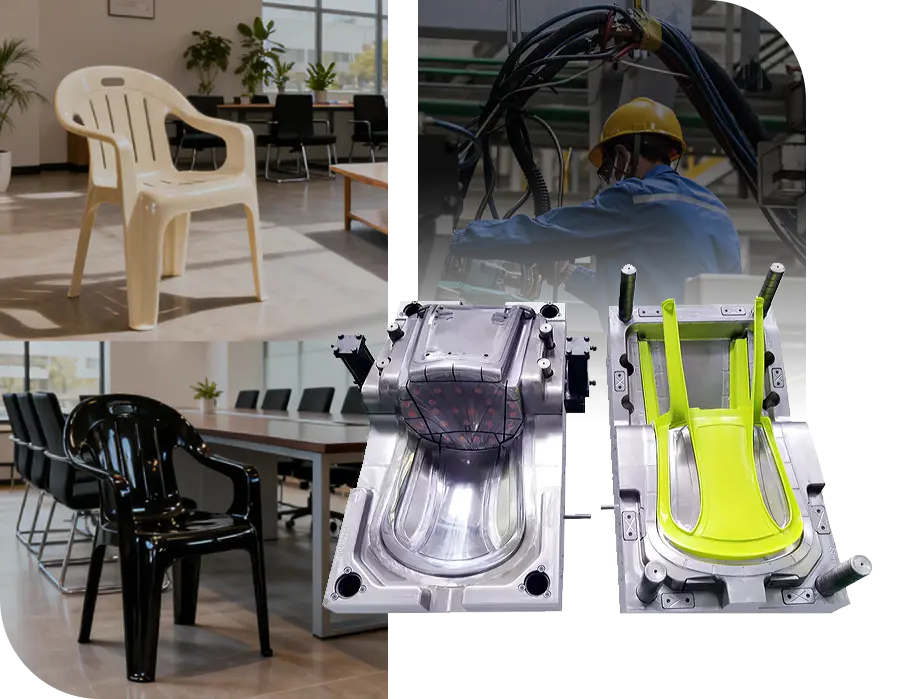
The classification of plastic molds centers on forming processes, with different molds tailored to distinct product characteristics and production requirements.
High Forming Efficiency: Utilizes multi-cavity modular design, enabling simultaneous molding of 2-16 cavities for small parts. Achieves the shortest cycle time per product, meeting high-volume production demands.
Strict Precision Control: Constructed from high-precision mold steels like S136 and 718H, processed via five-axis CNC machining centers. Dimensional tolerances are controllable to satisfy precision component assembly requirements.
Broad Material Compatibility: Compatible with nearly all thermoplastics including PP, ABS, PC, PA66 + glass fiber, and TPE. Surface treatments (e.g., nitriding, chrome plating) optimized for modified materials enhance wear resistance by over 50%. -
Product Categories
Industrial Supplies Mould
At Lingfei Mould, we don’t hand you a catalog and walk away. Every industrial supplies mould we engineer starts with a simple question: What does your production line actually need to run smoother, longer, and with less scrap?
We don’t chase “universal” solutions. Each mould is dimensioned to your press specs (tonnage, tie-bar spacing, ejector layout). Custom doesn’t mean expensive for the sake of expensive. It means matching the right manufacturing method to your batch size.
Materials we commonly run:
ABS, PC, PA6/66 (glass-filled), POM, PMMA, TPE/TPU
Brass, mild steel, stainless 304/316, aluminum 6061/7075
Need something odd? Like a hybrid overmold with a metal insert or a two-shot design? That’s our normal Tuesday.
No minimum order games on custom molds. One cavity or sixteen — we quote honestly.
Communication without ping-pong — one engineer stays with your project from design to first shot.
If you’re sourcing industrial supplies moulds and tired of generic quotes that ignore your press type, material, or cycle time targets — send us your drawing or a few photos. We’ll reply with what actually works, not what fills a price sheet.
Lingfei Mould
Mold Design + Manufacturing — No templates, just tooling that runs.
-
Product Categories
Daily Necessities Mould
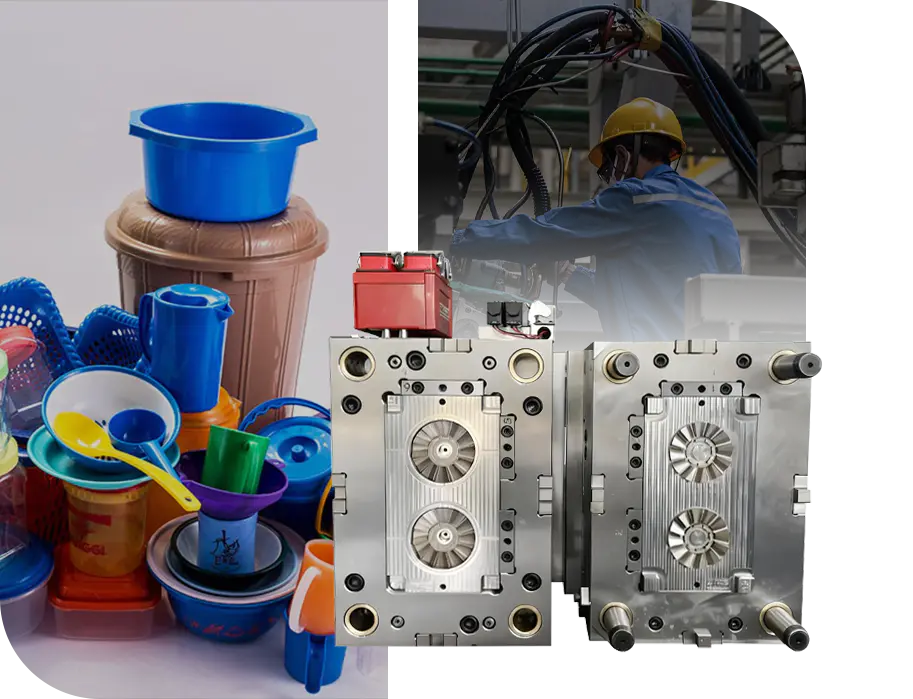
Daily Necessities Moulds serve sectors that people touch every morning: home goods, kitchenware, bathroom accessories, office supplies, and personal care items.
Customization, Maintenance, and Technical Support
Customization services
High-level customization means adjusting mold designs based on each client's requirements—product shape, dimensions, surface appearance, even the feel of the plastic.
Flexible adjustments allow both personalized small batches and mass production from the same tooling approach. A mold designed for customization uses interchangeable inserts. Swap one insert, and the shape changes. Keep the rest of the mold identical. That approach keeps costs reasonable while offering variety.
After-sales maintenance
Maintenance services include repairs and routine upkeep. A maintenance schedule catches worn ejector pins before they break. It replaces worn core pins before they produce out-of-spec parts. Proper after-sales maintenance extends mold lifespan significantly and ensures consistent operation across years of production.
Technical support
Technical support fills that gap. A good mold partner offers process optimization recommendations: adjust melt temperature here, change injection speed there, modify cooling line connections. These recommendations enhance production efficiency and improve final product quality without buying new equipment.
A mold designer who asks about the client's press, their material preferences, and their cycle time targets delivers a tool that works from the first tryout. That saves weeks of debugging. That is what real technical support looks like.
-
Product Categories
Home Appliance Mould
Home appliance molds are not just blocks of steel with cavities cut into them. They are the core process equipment in the home appliance manufacturing industry. Every refrigerator door, washing machine panel, air conditioner grille, and microwave front starts as molten plastic shot into a mold. That mold determines three things: how good the appliance looks, how long it lasts, and how fast the factory can make more.
Application Scenarios Across Major Appliance Categories
- Refrigeration appliances
- Laundry appliances
- Cooking appliances
- Air treatment appliances
-
 View More
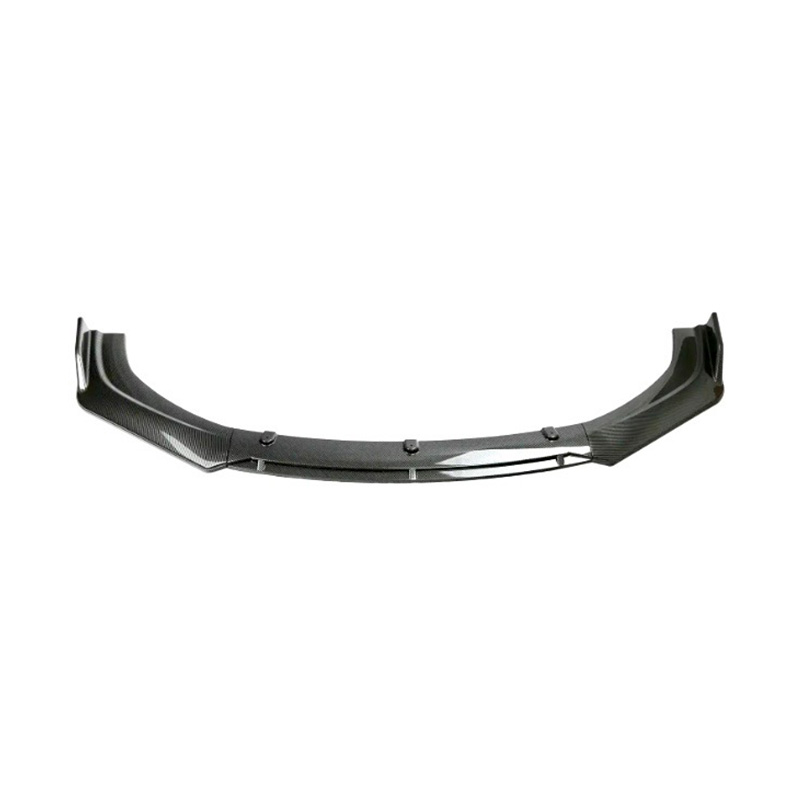
Automobile Three-Stage Front Shovel Plastic Injection MoldView More
View More
Automobile Three-Stage Front Shovel Plastic Injection MoldView MoreThis front bumper is a custom car part designed to optimize aerodynamics, enhance the vehicle's spor...
-
 View More
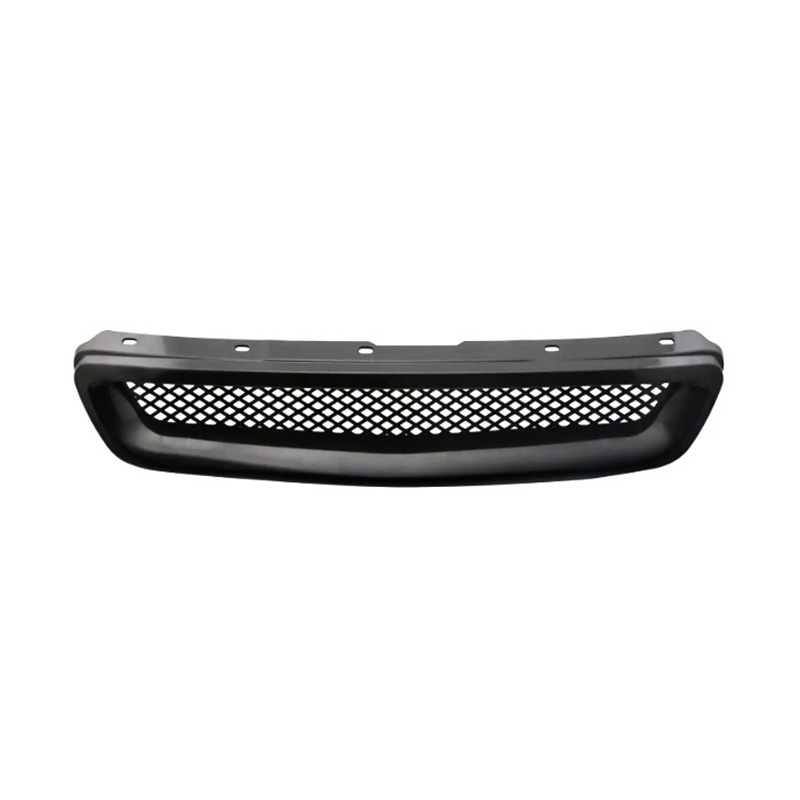
Car Modification Mold For The Front GrilleView More
View More
Car Modification Mold For The Front GrilleView MoreThis car grille features a black ABS/carbon pattern. The grille material, style, and compatible vehi...
-
 View More
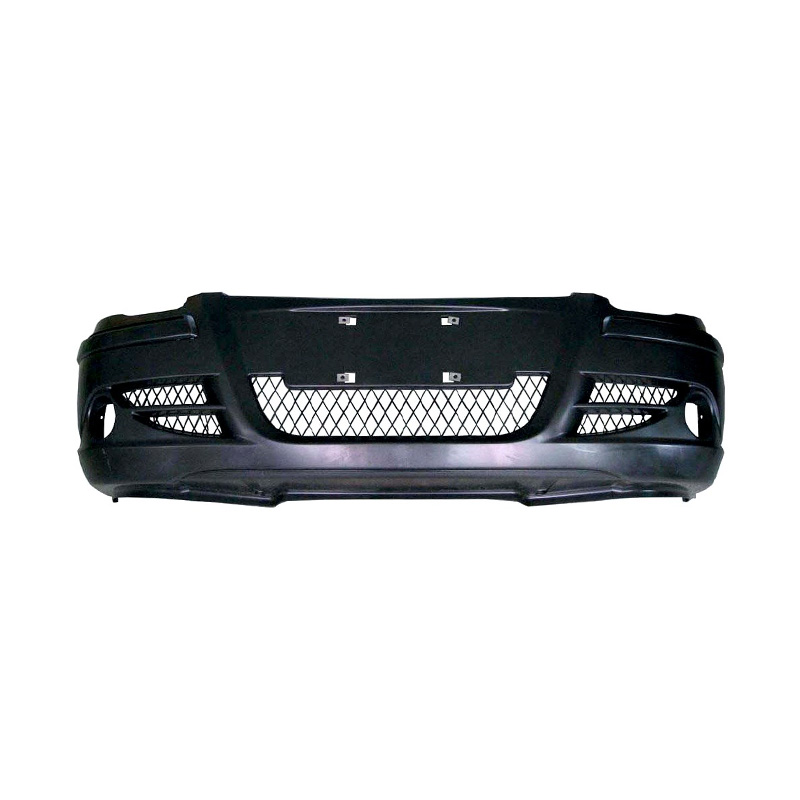
Front Bumper Assembly Front Bumper Car Modification MoldView More
View More
Front Bumper Assembly Front Bumper Car Modification MoldView MoreThis front bumper (front fascia) is an exterior component designed to protect the front of the vehic...
-
 View More
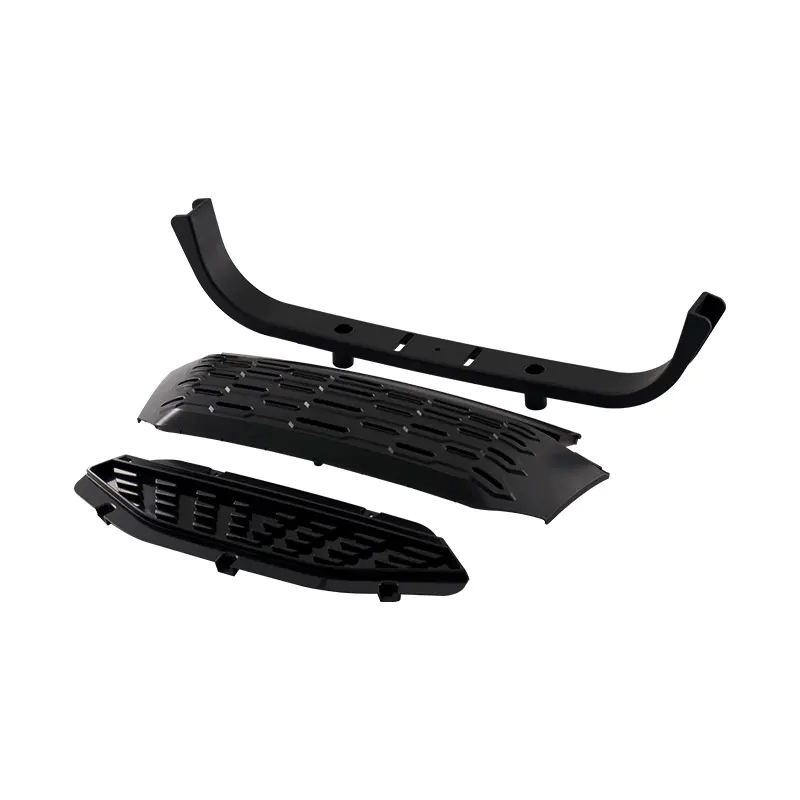
Front Bumper Trim Auto Parts MoldView More
View More
Front Bumper Trim Auto Parts MoldView MoreThis car insect screen and front bumper trim is designed to block insects and debris from entering t...
-
 View More
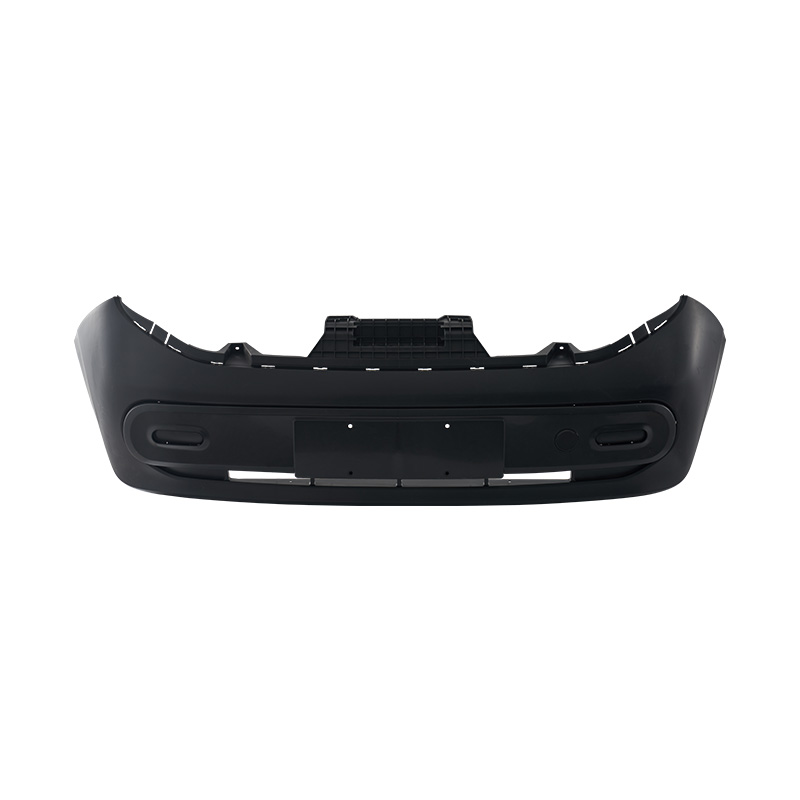
Rear Bumper Assembly Rear Bumper Auto Parts MoldView More
View More
Rear Bumper Assembly Rear Bumper Auto Parts MoldView MoreThe primary function of a car's rear bumper (or rear bumper) is to protect the rear of the vehicle, ...
-
 View More
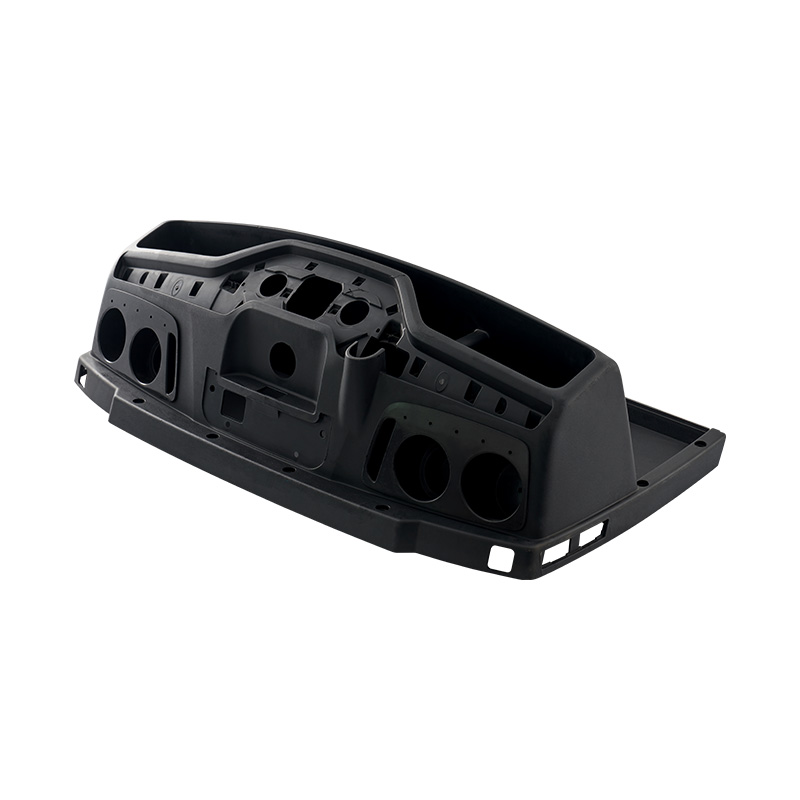
Automobile Instrument Panel Housing Instrument Panel Frame MoldView More
View More
Automobile Instrument Panel Housing Instrument Panel Frame MoldView MoreThis injection-molded car instrument panel shell is a core component of the interior of a family car...
-
 View More
Automobile Door Interior Panels Door Guard Panels MoldView More
View More
Automobile Door Interior Panels Door Guard Panels MoldView MoreCar door interior panels are integrated components that combine door decoration and functionality. T...
-
 View More
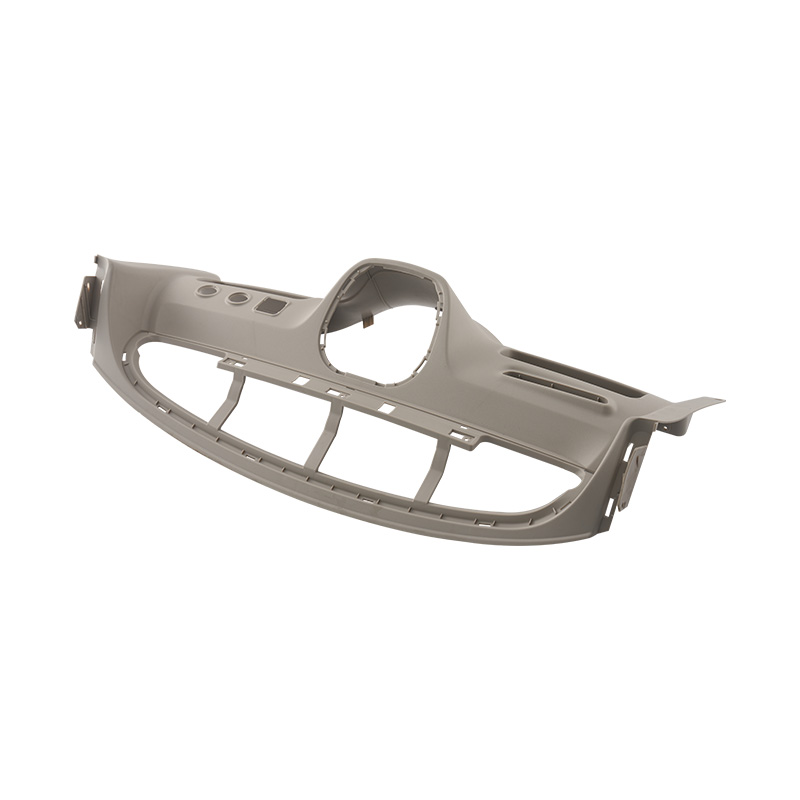
Automobile Instrument Panel Housing Interior Support Components MoldView More
View More
Automobile Instrument Panel Housing Interior Support Components MoldView MoreThe interior support components of the car dashboard shell, as the core framework components of the ...
-
 View More
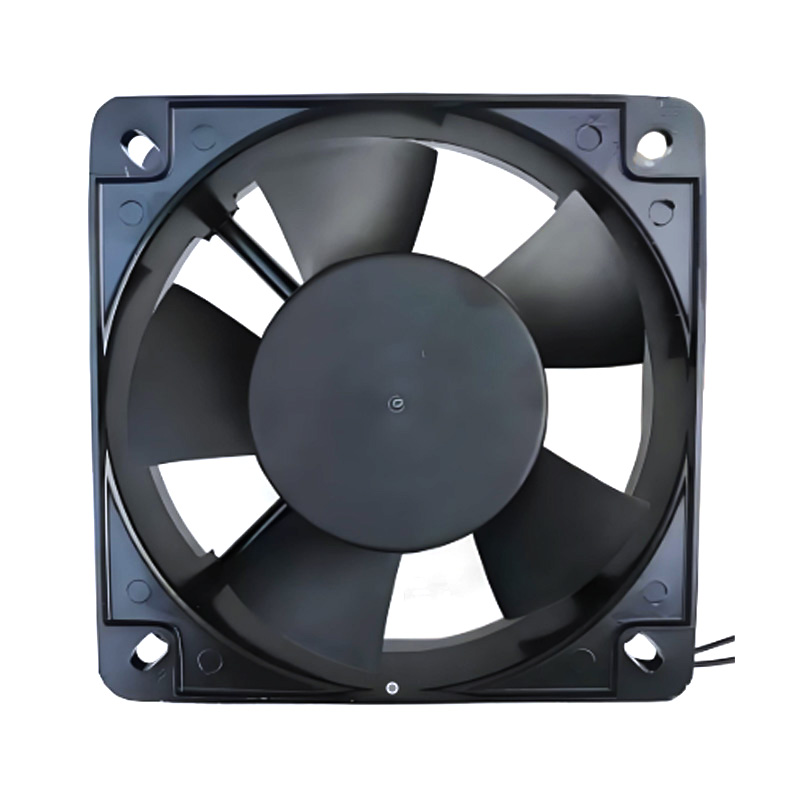
High-Speed Axial Cooling Fan Injection MoldView More
View More
High-Speed Axial Cooling Fan Injection MoldView MoreAxial-flow cooling fans feature an axial-flow design. The high-speed rotation of the fan blades crea...
-
 View More
Spiral Washing Machine Drain Tray Injection MoldView More
View More
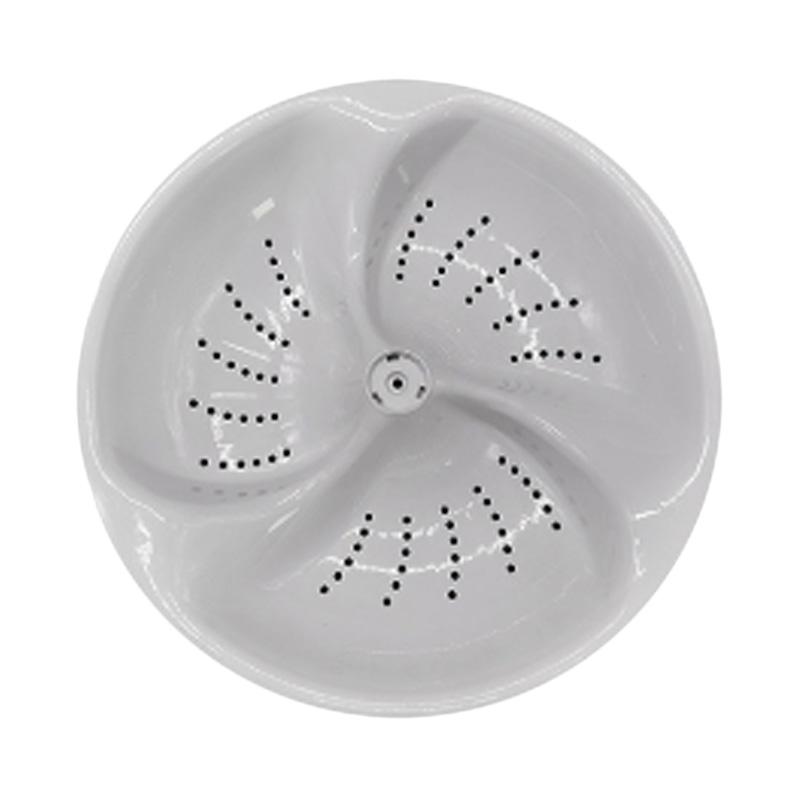
Spiral Washing Machine Drain Tray Injection MoldView MoreThis washing machine drain tray features a highly efficient spiral-shaped hollow design and densely ...

-
Paying for a custom injection mold does not automatically settle every question about ownership, usage rights, and future transfer arrangements. At Lingfei, we encourage customers to clarify these terms before tooling production begins. A manufacturing agreement should explain who owns the physical mold, who can use it, who maintains it, and what happens when the business relationship ends. For buyers working with oem injection molding suppliers,...
-
Part validation is a shared responsibility in automotive manufacturing, but each party needs a clearly defined role before production begins. At Lingfei, we believe that successful automotive molding projects depend on cooperation between the customer, engineering team, tooling supplier, and quality department. Unclear responsibilities can create disputes over inspection results, testing costs, approval documents, and production release. For buye...
-
A bumper design revision does not automatically require a completely new mold. At Lingfei, we evaluate the revised geometry, existing tooling structure, plastic material, and production requirements before recommending a modification or replacement. A small adjustment to a mounting hole may need limited machining, while a change to the bumper's overall contour can affect the cavity, core, cooling layout, and ejection system. Our approach to bumpe...
-
Freezing food puts storage containers through a different set of conditions than ordinary room-temperature storage. The material becomes colder, the contents may expand, and the lid has to maintain contact with the container rim despite temperature changes. This raises an important product-design question: can a silicone food storage box remain properly sealed after spending hours or days in a freezer? Silicone is well suited to this type of appl...
-
A modified front bumper can completely change the visual character of a vehicle. Wider air intakes, sharper corners, lower lips, integrated grilles, and sportier contours are common elements in aftermarket styling. Yet visual appeal is only part of the fitment equation. A bumper can look close to the original design and still create problems around the fenders, headlights, grille, hood, wheel arches, or parking sensors. This makes the geometry be...
-
Axial cooling fans are often recognized by their familiar circular frame and rotating blades, yet the blade geometry inside that frame is changing. Designers are experimenting with curved profiles, modified tips, different pitch angles, and refined trailing edges to control how air moves through the fan. These changes also affect tooling. A modern Axial Cooling Fan Injection Mold needs to reproduce increasingly complex three-dimensional blade sur...




The company focuses on the field of special equipment manufacturing, and its core business revolves around the design, manufacturing and related technical services of injection molds.
© Taizhou Lingfei Mould & Plastic Technology Co., Ltd.
OEM Injection Mold Factory
