
 English
 Español
Submit feedback

Why Custom Front Bumper Molds Are Changing Car Modification Designs
Car modification trends are moving beyond simple exterior upgrades. Modern vehicle owners are looking for personalized designs that improve appearance, enhance aerodynamic styling, and create a unique road presence. This change has increased demand for customized automotive components, especially front bumper solutions. A precisely designed Front Bumper Car Modification Mold has become an important tool for producing modified bumper parts with accurate dimensions, complex shapes, and consistent quality.
Traditional bumper designs were mainly focused on protection and basic appearance. Today, front bumpers combine multiple functions, including styling elements, sensor integration, airflow management, and lightweight construction. Automotive designers are using advanced molding technologies to create more dynamic shapes that match different vehicle concepts and aftermarket modification requirements.
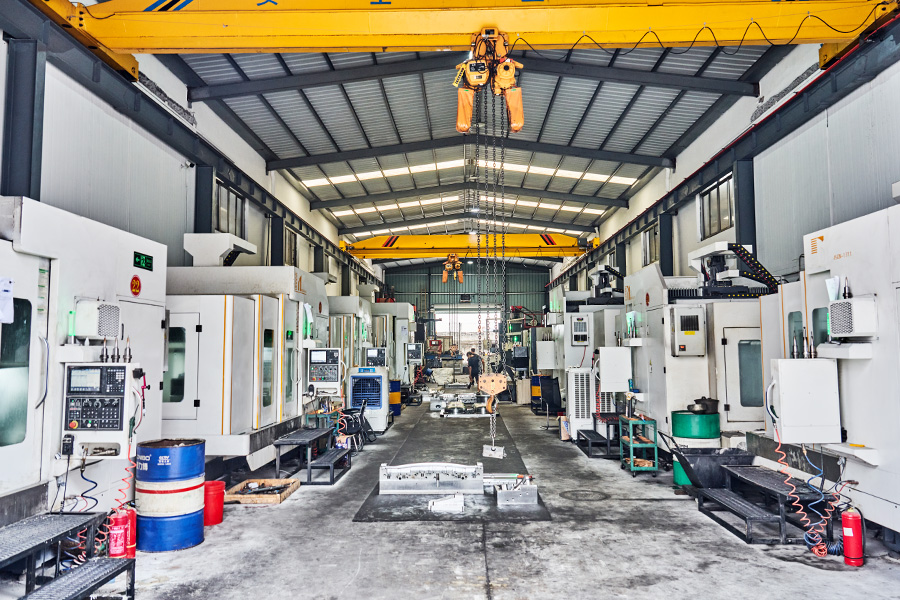
1. Personalized Vehicle Styling Creates New Mold Requirements
The growth of customized vehicles has changed expectations for automotive exterior parts. Many car enthusiasts prefer unique front-end designs rather than standard factory appearances. This trend requires molds that can support special curves, sharper edges, larger air intakes, and integrated decorative features.
- Complex surface structures: Modified bumpers often include multiple styling layers, splitters, vents, and reinforced areas that require accurate mold processing.
- Vehicle-specific fitting: Customized bumper covers need precise mounting points to match headlights, fenders, grilles, and body panels.
- Design flexibility: Advanced mold solutions allow designers to develop different visual concepts without changing the entire vehicle structure.
A high-quality bumper mold helps transform digital design concepts into physical components while maintaining stable dimensions during repeated injection molding cycles.
2. Lightweight Materials Are Influencing Front Bumper Mold Design
Material selection has become a key factor in modern bumper development. Many front bumper covers use polypropylene (PP), PP+EPDM blends, or thermoplastic olefin (TPO) materials because they provide a balance of impact resistance, flexibility, and lightweight characteristics.
The characteristics of these materials require specialized mold structures. Designers need to consider shrinkage rates, cooling performance, material flow, and surface appearance during the mold development stage.
- Material compatibility: The mold design should support different plastic compounds while maintaining stable molding results.
- Wall thickness control: Many bumper covers use thin-wall structures, requiring balanced filling channels and optimized cooling layouts.
- Surface quality management: Visible exterior parts need smooth textures and reduced molding marks before painting or coating.
Typical automotive bumper molds are produced with high-strength mold steel and may include hot runner systems, cooling channels, and precision machining structures. Depending on design complexity, mold specifications can vary based on part size, surface texture, and production volume.
3. Digital Design Technology Expands Mold Possibilities
Computer-aided design (CAD), simulation analysis, and virtual testing have changed the way automotive molds are developed. Designers can evaluate bumper geometry, material flow, and potential deformation before physical production begins.
For modified vehicle parts, digital development is especially valuable because customized designs often include unusual structures that differ from standard factory components.
- 3D CAD modeling: Helps create accurate bumper shapes based on vehicle scanning data or customized styling concepts.
- Mold flow analysis: Predicts filling conditions, weld lines, and possible deformation during injection molding.
- Virtual inspection: Allows engineers to review assembly positions and surface details before mold production.
These technologies reduce design risks and provide more opportunities for creative automotive modification projects.
4. Integration of Smart Features Changes Bumper Structure
Modern vehicles are equipped with advanced driver assistance systems, parking sensors, cameras, and radar modules. These electronic components create additional requirements for bumper design. Modified bumpers must consider sensor positions and maintain proper installation spaces.
A modern Front Bumper Car Modification Mold is not only responsible for producing an attractive exterior component but also needs to support functional requirements.
- Sensor mounting areas: Mold structures need to reserve accurate locations for cameras and detection devices.
- Airflow optimization: New bumper designs may include larger openings to support cooling performance.
- Structural reinforcement: Additional ribs and mounting structures improve installation reliability.
The combination of styling and intelligent vehicle functions is pushing bumper mold development toward more integrated designs.
5. Precision Requirements Improve Modified Bumper Fitment
One common challenge in aftermarket vehicle modification is achieving factory-level fitting accuracy. A bumper that does not match surrounding body parts may create uneven gaps, installation difficulties, or appearance problems.
Precision mold manufacturing helps control critical dimensions such as mounting hole positions, edge profiles, and connection points. Advanced machining equipment can achieve tight tolerances, with some automotive mold components reaching approximately ±0.01 mm accuracy depending on design requirements.
- Accurate parting line design: Reduces visible marks and improves exterior appearance.
- Stable mold structure: Supports repeated production while maintaining consistent part dimensions.
- Detailed surface processing: Creates suitable textures for painting, coating, or decorative finishes.
6. Future Directions of Automotive Modification Molds
The future of bumper modification is moving toward more flexible and intelligent production methods. Electric vehicles, personalized vehicle styling, and digital customization platforms are creating new opportunities for advanced automotive molds.
Future bumper designs may combine lightweight materials, aerodynamic features, embedded sensors, and customized appearance packages. Mold technology will continue adapting to these changes by supporting faster design updates and more complex component structures.
The evolution of customized vehicles shows that bumper molds are no longer only production tools. They have become a connection between creative automotive design and practical manufacturing requirements.
Custom front bumper development reflects the changing expectations of modern vehicle owners. From personalized styling and lightweight materials to smart features and precise fitting, every detail influences the final product performance.
A well-designed Front Bumper Car Modification Mold provides the foundation for producing innovative bumper solutions that match current modification trends. As automotive designs continue to evolve, mold technology will remain an important factor in creating distinctive, functional, and visually appealing vehicle upgrades.



The company focuses on the field of special equipment manufacturing, and its core business revolves around the design, manufacturing and related technical services of injection molds.
© Taizhou Lingfei Mould & Plastic Technology Co., Ltd.
OEM Injection Mold Factory
