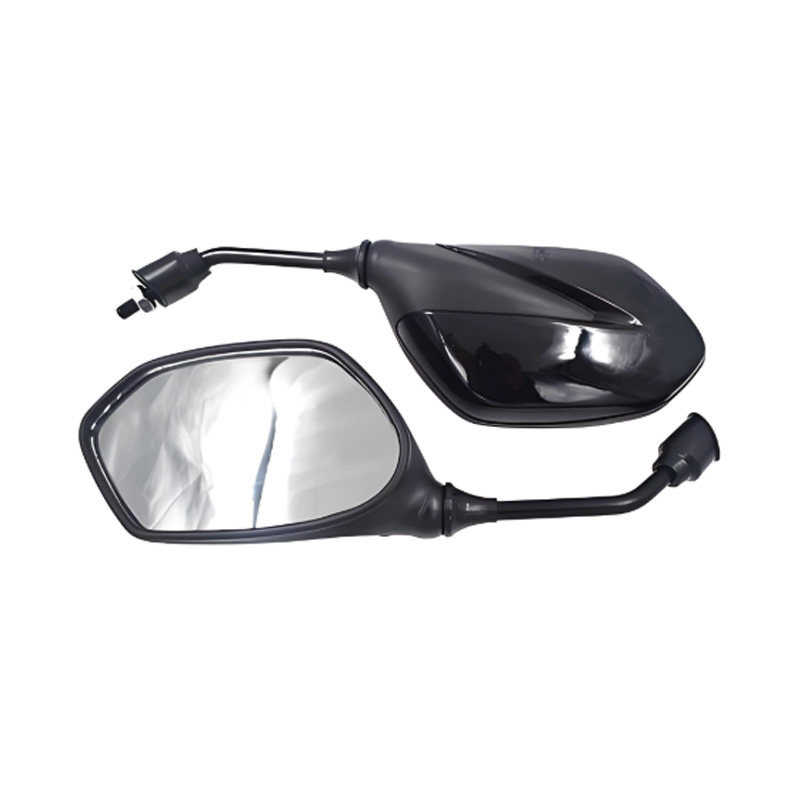
Custom Mold Plastic Injection for Two Wheeler Applications: From Structural Parts to Optical Components
Custom Mold Plastic Injection for Two Wheeler
The material selection drives everything. For exterior body panels on scooters and commuter bikes, UV-stabilized ABS or ASA resists fading. For under-seat storage bins, polypropylene with talc filler adds stiffness without brittleness. A custom mold plastic injection for two-wheeler production must account for wall thickness variations—thick sections sink, thin sections warp. Good mold design adds ribs for strength without adding mass.
- Gate placement strategy: Hidden gates on inner surfaces preserve exterior finish. Edge gates for structural parts where cosmetics do not matter.
- Texture requirements: Fine textures hide ejector pin marks. Deep grain textures require slower fill speeds to avoid erasing the pattern.
- Assembly features: Molded-in bosses for self-tapping screws need proper draft angles. Too little draft, and the screws crack the boss.
Molding Plastic Car Parts for Motorcycle
The line between car parts and motorcycle parts blurs in the molding shop. A dashboard bezel for a car uses similar materials to a motorcycle instrument cluster housing. But molding plastic car parts for motorcycle applications introduces unique constraints: vibration resistance, weather sealing, and weight limits that car parts rarely face.
Motorcycles expose plastic to rain at highway speeds. Car parts sit behind glass. So molding plastic car parts for motorcycle use demands different sealing strategies. Ribs around connector interfaces become mandatory. Drain channels prevent water pooling near electrical terminals. The same nylon 6/6 that works under a car hood fails on a motorcycle if the wrong glass fill percentage is used—too much glass, and the surface finish suffers. Too little, and heat deflection drops.
- Vibration testing correlation: Molded features must survive 10–200 Hz sweeps. Snap-fit arms need generous radii at the base to avoid cracking.
- Chemical resistance: Fuel vapors, chain lubricants, and brake fluid all contact motorcycle plastics. Material selection must match the specific exposure.
- Class A surfaces: Visible motorcycle body panels require polished cavity surfaces (SPI A-2 or finer) to avoid orange peel in the final part.
- Threaded inserts: Heat-staked brass inserts are common for battery trays and electronic module mounts. Mold design includes positioning pockets.
A molder experienced with car parts might underestimate motorcycle requirements. The difference shows up six months into ownership when a headlight housing turns yellow or a side cover cracks at a mounting tab.
Custom Mold Design for Motorcycle Headlight
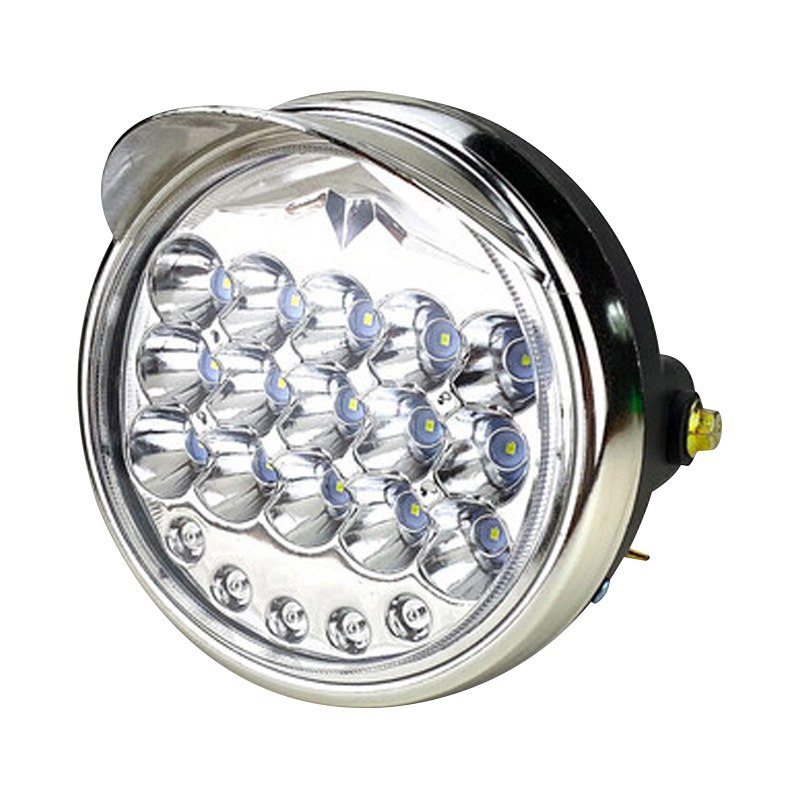
Headlight molds sit in their own technical category. A custom mold design for motorcycle headlight assemblies must balance optical clarity, heat dissipation, and aerodynamic shape—all within a housing that seals against pressure washers.
The lens is the hardest part. Polycarbonate with hard coating resists scratching and UV. But polycarbonate absorbs moisture before molding. A custom mold design for motorcycle headlight lenses includes drying protocols (120°C for 4+ hours) right on the setup sheet. The mold itself runs hot oil, not water, through the cooling lines to maintain core temperature above 80°C. Cold molds produce cloudy lenses.
Reflector molds demand even tighter tolerances. The reflective surface is not machined—it is diamond-turned or electroformed nickel. A custom mold design for motorcycle headlight reflectors positions the gate at the optical center, where the bulb later sits. That way, any gate mark or flow line falls in the shadow of the bulb, not visible in the beam pattern.
Venting for chrome plating: Reflectors get vacuum metalized after molding. Mold vents must leave no burn marks—burnt plastic does not take chrome.
Draft angles on optical surfaces: Typical 1–2 degrees minimum. Steeper draft for textured housings. No draft on lens sealing grooves.
Steel selection for lenses: Stainless steel (420 or similar) prevents corrosion from condensation during hot oil circulation.
Ejection strategy for deep parts: Air poppets instead of ejector pins on optical surfaces. Pins leave witness marks that distort light.

 English
 Español

 +86-18958510469