
 English
 Español
Submit feedback

New Design Challenges for PP Steering Wheel Housing Molds
Automotive interiors are experiencing rapid changes as vehicles become more intelligent, lightweight, and focused on driver interaction. The steering wheel area is no longer only a control component but also an important part of the vehicle’s visual and functional design. Behind these developments, advanced molding solutions are required to produce accurate, durable, and visually appealing parts. A PP Steering Wheel Housing Mold plays an important role in creating steering wheel covers, protective housings, and related interior components that meet modern vehicle requirements.
Polypropylene (PP) has become a common material choice for automotive interior components because of its lightweight characteristics, chemical resistance, and flexible processing performance. However, new vehicle concepts and higher appearance standards are creating additional challenges for PP mold design, especially regarding surface quality, dimensional stability, structural integration, and functional details. Automotive injection molding research has highlighted the importance of material behavior, mold structure, and process control for achieving stable interior components.
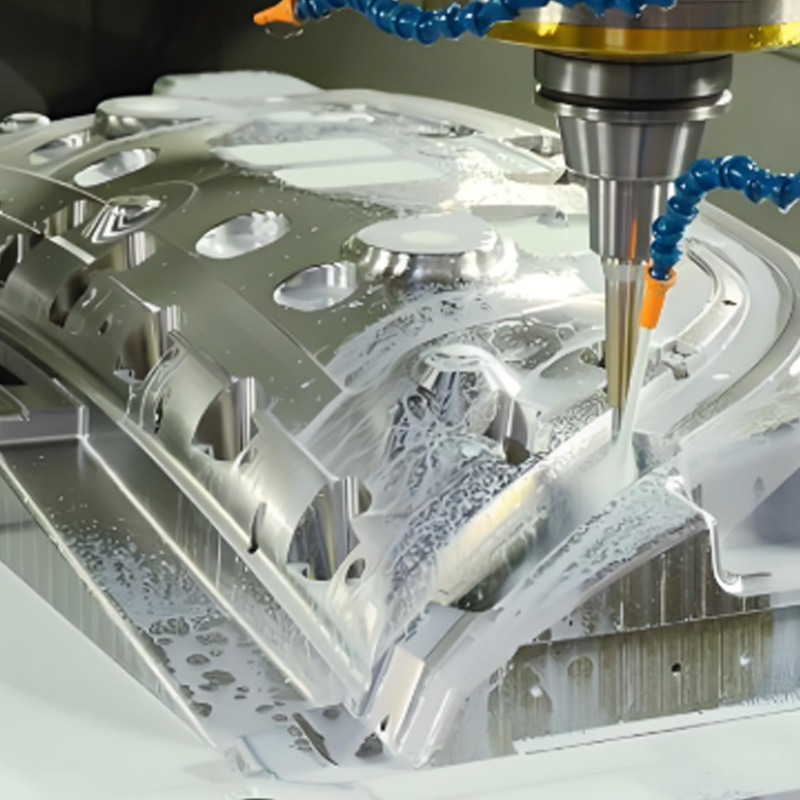
1. Complex Steering Wheel Designs Require More Flexible Mold Structures
Modern steering wheel designs include multiple functional areas such as buttons, sensor modules, decorative trims, and electronic connection spaces. These integrated features increase the complexity of plastic housing components and create higher requirements for mold development.
- Multi-feature structures: Steering wheel housings may include clips, ribs, mounting points, and openings that require precise mold machining.
- Compact installation spaces: The housing needs to fit closely with airbags, electronic modules, and steering mechanisms.
- Appearance-focused surfaces: Visible interior areas require controlled textures, smooth transitions, and reduced surface defects.
Compared with traditional plastic covers, current steering wheel components require molds capable of producing detailed geometries while maintaining stable production performance.
2. PP Material Characteristics Influence Mold Design Decisions
PP is widely applied in automotive interiors due to its low density and good impact performance. Different PP grades, including reinforced PP materials, can provide improved stiffness or surface performance depending on application needs. However, PP shrinkage behavior and thermal expansion must be carefully considered during mold design.
- Shrinkage control: PP materials may experience dimensional changes after cooling, requiring optimized cavity design and processing parameters.
- Flow balance: Proper gate positioning helps reduce weld lines, uneven filling, and visible flow marks.
- Surface treatment: Mold textures need to match the final interior appearance requirements.
A well-designed PP Steering Wheel Housing Mold considers material characteristics from the early development stage instead of adjusting problems after production begins.
3. Lightweight Vehicle Trends Create New Structural Requirements
The automotive industry continues to focus on reducing vehicle weight while maintaining safety and comfort. Plastic interior parts contribute to weight reduction, but they must still provide sufficient strength and durability during daily use.
For steering wheel housing applications, engineers often need to balance several factors:
- Thin-wall design: Reduces material usage while maintaining structural reliability.
- Reinforcement ribs: Improve stiffness without adding unnecessary weight.
- Integrated features: Combines mounting structures and decorative elements into one molded component.
Advanced injection molding technologies, including microcellular foaming methods, have demonstrated potential for reducing weight while maintaining mechanical performance in automotive interior parts.
4. Surface Quality Becomes a Key Challenge for Interior Components
Drivers interact with steering wheel areas frequently, making appearance and touch experience important factors. Unlike hidden automotive parts, steering wheel housings are highly visible and must meet strict appearance expectations.
- Texture consistency: Mold surfaces must reproduce fine patterns evenly across the entire component.
- Reduced molding marks: Gate marks, sink marks, and uneven surfaces need effective control.
- Color matching: Plastic surfaces should maintain consistent appearance with other interior components.
New interior trends also introduce soft-touch finishes, decorative layers, and integrated surface technologies. These requirements push mold designers to develop more detailed cavity structures and surface processing methods.
5. Smart Steering Wheels Add Functional Integration Challenges
Electric vehicles and intelligent cars are changing steering wheel functions. Modern steering wheels may include touch controls, driver monitoring sensors, heating systems, and communication modules. These additions require plastic housings with accurate openings and reliable assembly features.
- Electronic component positioning: Molded parts need precise locations for sensors and control elements.
- Assembly accuracy: Housing dimensions influence the connection between plastic parts and electronic modules.
- Long-term durability: Components must withstand repeated operation and temperature changes.
The combination of mechanical structures and electronic functions is making steering wheel molds more sophisticated than traditional interior tooling.
6. Precision Manufacturing Supports Better Mold Performance
A reliable mold structure depends on accurate machining, suitable steel selection, and careful validation. Automotive interior molds usually require stable dimensions because even small deviations can affect assembly quality and appearance.
- Mold steel selection: Hardened steels such as P20, H13, or S136 are commonly considered based on production requirements.
- Cooling channel design: Balanced cooling improves cycle stability and reduces deformation.
- Precision inspection: Dimensional checks verify cavity accuracy before mass production.
Depending on part size and complexity, automotive plastic molds may require hot runner systems, sliding mechanisms, and multi-stage ejection structures to achieve consistent results.
7. Future Development Direction of Steering Wheel Housing Molds
The future of steering wheel components will continue moving toward lightweight structures, smart functions, and personalized interior experiences. This development requires mold technology to support faster design changes and more integrated components.
Future PP Steering Wheel Housing Mold solutions may focus on improved material compatibility, advanced surface textures, shorter development cycles, and higher design flexibility. As vehicle interiors become more connected with digital systems, plastic components will need to combine appearance, functionality, and reliability.
The development of modern steering wheel housings reflects the changing demands of automotive interior design. From lightweight PP materials and complex structures to smart features and premium surface finishes, every element influences mold design strategies.
A carefully engineered PP Steering Wheel Housing Mold provides the foundation for producing reliable steering wheel components that match future vehicle concepts. With continuous improvements in materials, digital design, and molding technology, automotive interiors will continue creating new opportunities for innovative plastic component solutions.



The company focuses on the field of special equipment manufacturing, and its core business revolves around the design, manufacturing and related technical services of injection molds.
© Taizhou Lingfei Mould & Plastic Technology Co., Ltd.
OEM Injection Mold Factory
