
 English
 Español
Submit feedback

What Makes Center Console Molds Ready for Future Car Interiors
The automotive interior is entering a new stage where digital functions, personalized layouts, and comfortable user experiences are becoming important design directions. The center console, once mainly used for storage and basic controls, has developed into a key interaction area connecting passengers, displays, charging systems, and vehicle functions. Modern vehicles are adopting larger screens, integrated controls, and more flexible cabin layouts, creating new requirements for plastic interior component production.
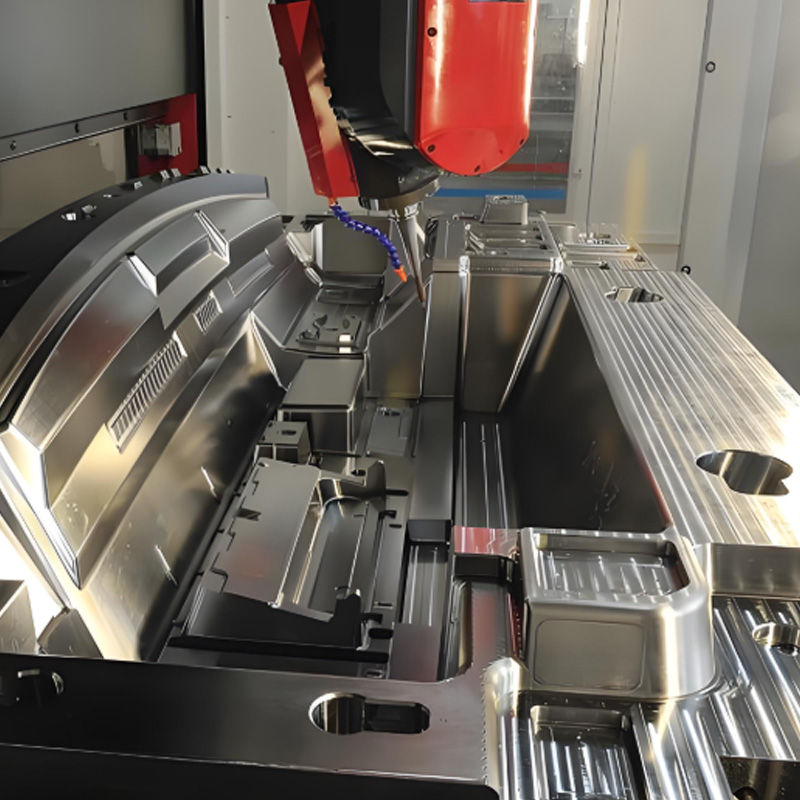
Behind these changes, the Car Center Console Panel Mold has become a critical solution for producing high-quality interior panels with accurate structures, attractive surfaces, and reliable assembly performance. Future center console designs require molds that can handle complex shapes, advanced materials, and integrated functional components.
1. Smart Cockpit Development Changes Center Console Requirements
The rise of smart cockpits is changing the role of center console panels. Traditional consoles mainly supported gear selectors, storage compartments, and mechanical switches. Modern designs combine touch displays, wireless charging areas, ambient lighting, electronic controls, and connectivity features.
Some new vehicle interiors use large integrated screens and simplified control layouts, requiring center console structures with precise openings and strong dimensional stability. For example, updated vehicle cabins are increasingly combining multiple displays and digital functions around the center console area to improve interaction between drivers and passengers.
- Integrated electronic components: Console panels need accurate mounting areas for displays, buttons, sensors, and charging modules.
- Complex surface designs: Modern interiors often use curved surfaces, decorative patterns, and hidden functional areas.
- Improved user interaction: Molded components must support comfortable operation and visual consistency.
These trends require mold structures that provide higher flexibility during design development and production.
2. Larger Display Integration Creates New Mold Design Challenges
Many automotive brands are moving toward digital dashboards and expanded display systems. The center console area may include large touch panels, control modules, and connected interfaces, which changes the traditional shape of interior plastic parts.
A Car Center Console Panel Mold must support larger component sizes while maintaining surface accuracy. Even small dimensional variations can affect the alignment between the plastic panel, display frame, and electronic parts.
- Large-area molding: Bigger console panels require balanced material flow to reduce warping and uneven shrinkage.
- Precise opening control: Screen frames, buttons, and connection ports require accurate cavity machining.
- Stable assembly dimensions: Tight tolerances help prevent gaps and abnormal noise after installation.
Advanced mold flow simulation and digital analysis are often used to predict filling behavior, cooling effects, and possible deformation before production.
3. New Materials Require Advanced Mold Compatibility
Future vehicle interiors are exploring different plastic materials and surface technologies to achieve lightweight construction and improved visual quality. Common materials for center console panels include ABS, PC/ABS blends, PP, and reinforced plastic compounds.
Each material has different characteristics related to shrinkage, strength, surface appearance, and processing temperature. Mold designers need to consider these factors during cavity development.
- Material flow optimization: Proper runner and gate designs help achieve uniform filling across large panels.
- Heat control: Efficient cooling channels help maintain stable production cycles and reduce deformation.
- Surface reproduction: Mold textures must accurately transfer decorative patterns and finishes.
The combination of lightweight materials and premium interior expectations makes mold design more technically demanding.
4. Personalized Interiors Increase Mold Flexibility Needs
Vehicle users are paying more attention to interior atmosphere and customization. Ambient lighting, different surface finishes, color combinations, and modular storage solutions are becoming common features in modern cabins.
This trend creates challenges for manufacturers because one vehicle platform may require multiple interior versions. Flexible mold solutions can help support different design variations without completely changing production strategies.
- Multiple appearance options: Different textures and decorative effects require adaptable mold surface processing.
- Modular structures: Separate inserts and replaceable components can support design updates.
- Rapid development: Digital mold design shortens the adjustment process for new interior concepts.
Personalized cabin trends are encouraging automotive designers to create more creative center console concepts while maintaining production feasibility.
5. Noise Reduction and Comfort Influence Console Panel Design
Interior comfort is becoming an important factor in vehicle development. Plastic center console panels must provide not only attractive appearance but also good acoustic performance.
Poor fitting accuracy or insufficient structural strength may create vibration sounds during vehicle operation. Therefore, mold design needs to consider reinforcement structures, connection points, and assembly accuracy.
- Reinforcement ribs: Improve panel stiffness and reduce deformation during use.
- Accurate clips and fasteners: Support stable installation and reduce unwanted movement.
- Material selection: Suitable plastic grades help balance strength, weight, and acoustic performance.
6. Precision Manufacturing Supports Future Console Designs
Future center console components will require higher manufacturing accuracy because more electronic systems and decorative features are integrated into limited spaces. Mold quality directly affects the final appearance and assembly performance of the finished part.
Typical automotive interior molds may use hardened steel materials such as P20, H13, or S136 depending on production requirements. Mold structures can include hot runner systems, sliders, inserts, and complex cooling layouts to support large and detailed plastic components.
- High-precision machining: Ensures cavity dimensions meet strict interior component requirements.
- Surface polishing and texturing: Creates consistent visual effects across visible areas.
- Mold testing: Trial production helps verify fitting accuracy and surface quality.
7. Future Direction of Center Console Panel Mold Technology
The future of automotive interiors will continue moving toward intelligent interaction, lightweight structures, and personalized experiences. Center consoles will likely combine more electronic functions while maintaining clean and comfortable designs.
This evolution means the Car Center Console Panel Mold will need to support more complex geometries, advanced materials, and faster design changes. Mold technology will continue developing alongside smart vehicle concepts to provide reliable solutions for next-generation interiors.
Center console panels represent the connection between automotive design, technology, and daily user experience. As vehicles become more intelligent and personalized, the requirements for interior plastic components continue to increase.
A well-developed Car Center Console Panel Mold provides the foundation for producing durable, attractive, and accurately fitted interior parts. From smart cockpit integration to material innovation, future mold solutions will play an important role in shaping the next generation of automotive cabins.



The company focuses on the field of special equipment manufacturing, and its core business revolves around the design, manufacturing and related technical services of injection molds.
© Taizhou Lingfei Mould & Plastic Technology Co., Ltd.
OEM Injection Mold Factory
