
 English
 Español
Submit feedback

Are Door Panel Molds Meeting Modern Interior Comfort Demands
Vehicle interiors are changing rapidly as drivers expect more comfort, quieter cabins, smarter functions, and personalized designs. The automobile door panel is no longer only a decorative cover. It now integrates storage areas, speakers, ambient lighting, electronic controls, armrests, and safety-related structures. These new functions are creating higher requirements for mold design and plastic component production.
A modern Automobile Door Interior Panels Mold needs to support complex shapes, lightweight structures, excellent surface appearance, and precise assembly performance. As electric vehicles and intelligent cabins continue developing, door panel molds are facing new challenges related to materials, acoustic performance, functional integration, and design flexibility. Research on automotive door panel injection molding has shown that mold structure, gate layout, cooling conditions, and process parameters directly influence filling quality, shrinkage, and deformation control.
1. Modern Door Panels Require More Integrated Functions
Traditional door panels mainly provided interior decoration and basic protection. Modern vehicle designs are adding more functions into limited spaces, making door panels an important interaction area between passengers and the vehicle.
- Electronic integration: Door panels may include window controls, touch surfaces, lighting systems, speakers, and sensor mounting areas.
- Storage optimization: New designs require carefully shaped pockets and compartments while maintaining a clean appearance.
- Safety consideration: Door structures need to provide suitable support while meeting interior impact requirements.
These additional features make mold structures more complicated because cavities need to reproduce multiple functional details within one component.
2. Lightweight Design Creates New Material Challenges
Weight reduction has become an important direction in automotive development, especially with the growth of electric vehicles. Reducing interior component weight helps improve energy efficiency while maintaining passenger comfort.
Common materials used for automotive door panels include PP, PP+T20, ABS, PC/ABS, and TPO blends. These materials provide different advantages in stiffness, impact resistance, surface quality, and processing performance. Some door panel designs use reinforced polypropylene materials to achieve better strength with reduced weight.
- PP materials: Offer lightweight characteristics and good impact resistance for large interior structures.
- ABS and PC/ABS: Provide improved surface appearance and dimensional stability for visible areas.
- Fiber-reinforced plastics: Improve stiffness while supporting lightweight construction.
Different materials require different mold considerations, including shrinkage compensation, cooling design, injection pressure control, and surface treatment methods.
3. Surface Quality Becomes a Major Interior Requirement
Passengers directly interact with door panels during daily use, making surface quality an important factor in vehicle interior experience. A door panel must provide an attractive appearance while maintaining comfortable touch performance.
- Texture reproduction: Mold surfaces need to accurately transfer grain patterns, decorative textures, and visual effects.
- Reduced molding defects: Flow marks, sink marks, and uneven surfaces need effective control.
- Consistent appearance: Large door panels require uniform color and texture distribution.
The surface processing of molds has become more detailed because automotive brands are introducing soft-touch materials, premium textures, and customized interior styles.
4. Acoustic Comfort Influences Door Panel Mold Development
Cabin quietness has become an important part of driving comfort. Electric vehicles especially create new acoustic challenges because traditional engine noise is reduced, making road noise, wind noise, and vibration more noticeable.
Door panels contribute to noise, vibration, and harshness (NVH) performance by supporting insulation layers, sealing structures, and sound-related components. Automotive door systems are increasingly designed with lightweight materials while maintaining acoustic performance.
- Structural reinforcement: Molded ribs and support structures improve panel stiffness and reduce vibration.
- Material selection: Plastic compounds and composite materials influence sound absorption and vibration behavior.
- Precise assembly: Accurate fitting reduces gaps that may create unwanted noise.
A well-designed Automobile Door Interior Panels Mold needs to consider both visual performance and functional comfort requirements.
5. Smart Interior Trends Increase Mold Complexity
Future vehicles are moving toward connected interiors where physical buttons are replaced or combined with digital controls. Door panels may include touch-sensitive areas, hidden lighting channels, and integrated electronic modules.
- Hidden feature integration: Mold structures must create precise spaces for invisible sensors and lighting components.
- Multi-material applications: Some designs combine hard plastic bases with soft surfaces or decorative layers.
- Complex geometry: Curved surfaces and integrated components require advanced mold structures.
These changes are encouraging mold designers to develop more flexible solutions that can support future interior concepts.
6. Precision Mold Design Improves Door Panel Performance
Large automotive door panels require accurate dimensional control because they connect with multiple vehicle systems. Small errors may affect assembly gaps, appearance, and long-term durability.
Modern mold development often uses 3D CAD modeling, mold flow simulation, and digital inspection methods to optimize cavity design. Simulation technology can evaluate filling conditions, weld line locations, cooling effects, and possible deformation before production.
- Gate optimization: Proper gate locations improve material distribution and reduce molding defects.
- Cooling system design: Balanced cooling channels help maintain stable dimensions.
- Precision machining: Accurate cavity processing ensures reliable part matching.
Depending on component size and production requirements, door panel molds may include hot runner systems, sliders, inserts, and complex ejection mechanisms.
7. Future Direction of Automobile Door Interior Panel Molds
Automotive interiors will continue moving toward lightweight structures, intelligent functions, and personalized experiences. Door panels will become more than simple trim components; they will serve as multifunctional platforms connecting technology and comfort.
Future Automobile Door Interior Panels Mold solutions will need to support new materials, integrated electronics, improved acoustic performance, and faster design updates. Flexible mold structures and advanced manufacturing technologies will help automotive designers create more innovative interior layouts.
Modern door panels reflect the changing expectations of vehicle users. Comfort, smart functions, lightweight construction, and visual quality are becoming essential parts of interior development.
A carefully developed Automobile Door Interior Panels Mold provides the foundation for producing reliable and attractive door components. As automotive interiors continue evolving, mold technology will remain a key factor in achieving better cabin experiences and more advanced vehicle designs.



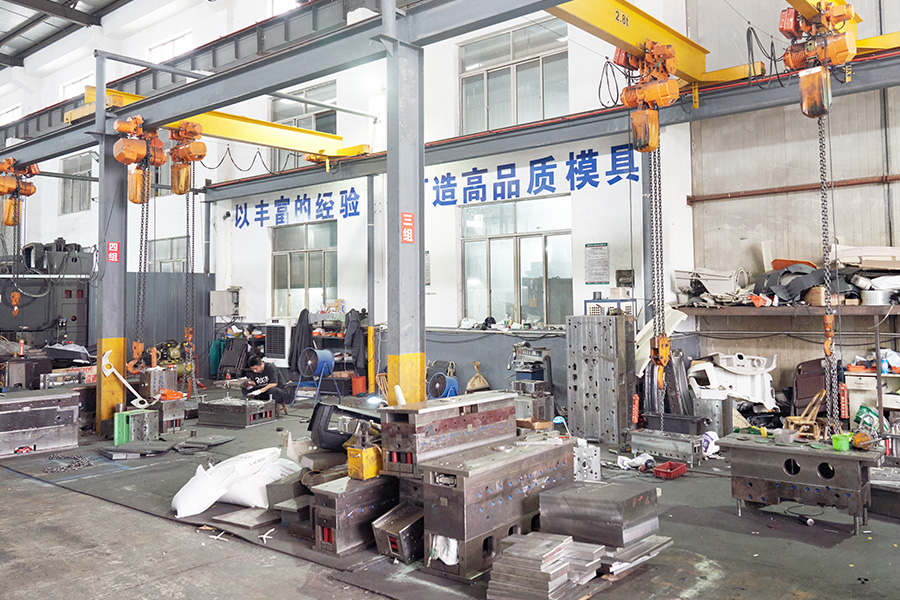
The company focuses on the field of special equipment manufacturing, and its core business revolves around the design, manufacturing and related technical services of injection molds.
© Taizhou Lingfei Mould & Plastic Technology Co., Ltd.
OEM Injection Mold Factory
