
 English
 Español
Submit feedback

Can a Custom Mold Be Transferred to Another Factory
Moving an injection mold to another factory can give manufacturers greater sourcing flexibility, access to additional production capacity, or an alternative solution when quality requirements change. However, transferring a mold involves more than arranging transportation. Ownership documents, tooling condition, engineering files, machine compatibility, and production validation all affect whether the new facility can manufacture acceptable parts.
At Lingfei, we recommend planning mold transfer requirements before tooling production begins. Buyers working with custom plastic mold manufacturers should confirm their contractual rights and establish a clear handover procedure. These preparations help reduce uncertainty during relocation and make it easier for the receiving factory to assess the existing tool.
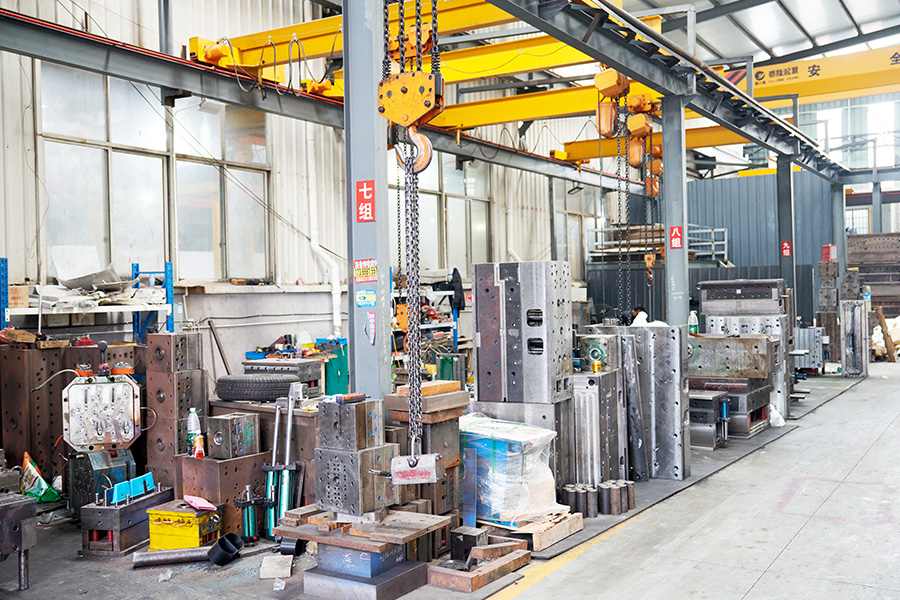
1. Confirm Mold Ownership and Transfer Rights
The physical mold may remain at a supplier's facility even after the customer has paid for the tooling. Ownership, possession, and access to technical files are separate matters that should be addressed in the manufacturing agreement.
- Ownership terms: Check who legally owns the mold and whether ownership depends on final payment, sample approval, or other contractual conditions.
- Release procedure: Confirm the required written notice, release schedule, and responsibilities of the current supplier.
- Outstanding charges: Review unpaid tooling balances, approved repair costs, storage fees, and any contractual restrictions.
- Intellectual property: Establish which product drawings, mold designs, and technical records may be transferred to the new factory.
We advise buyers to resolve these points before booking transportation. Paying for a mold does not necessarily establish unrestricted rights to every engineering file or accessory associated with it. The signed agreement should define the applicable rights and release conditions.
2. Prepare the Mold and Technical Documents
A receiving factory needs sufficient information to inspect, install, and operate the transferred mold. Missing records can increase engineering work and make it difficult to reproduce previously approved parts.
Before shipment, prepare a handover package containing the following items:
- Current mold assembly drawings and available 2D or 3D tooling files.
- Part drawings, material specifications, and the latest approved design revision.
- Maintenance records, repair history, and available mold shot-count information.
- Spare inserts, ejector pins, springs, and other agreed tooling components.
- Previous trial reports, processing parameters, and inspection results.
- Approved reference samples and documented deviations, where applicable.
We also recommend photographing the cavity, core, parting surfaces, and visible wear before the mold leaves the original facility. A signed condition report gives both parties a reference for evaluating damage, missing components, or changes identified after arrival.
3. Check Compatibility with the Receiving Factory
A mold that operates successfully at one facility may require adjustments before it can run at another. The receiving factory must confirm that its injection molding equipment and auxiliary systems can accommodate the tooling.
- Machine capacity: Compare the mold dimensions, clamping requirements, and projected shot volume with the available injection molding machine.
- Mounting arrangement: Check platen dimensions, tie-bar spacing, mold height, and available installation clearance.
- Injection system: Verify injection capacity, nozzle compatibility, and hot-runner requirements where applicable.
- Utilities: Confirm cooling water connections, hydraulic circuits, electrical connections, and other required services.
- Handling equipment: Check mold weight, lifting points, and the capacity of available cranes or lifting devices.
For example, a mold designed for a machine with a particular tie-bar spacing may not fit another machine with narrower clearance. Confirming these details before shipment can prevent unexpected installation work at the destination.
4. Validate Parts After the Transfer
Successful transportation does not prove that the mold can reproduce the approved product under the new factory's operating conditions. Installation, setup, and trial molding are necessary steps before normal production resumes.
- Inspect the mold for transportation damage and confirm that all agreed components are present.
- Check mold opening, closing, ejection, cooling connections, and other relevant mechanisms.
- Establish suitable processing conditions using the specified resin and available production equipment.
- Inspect trial samples for critical dimensions, appearance, assembly fit, and functional requirements.
- Document any deviations and obtain the required customer approval before releasing regular production.
The validation scope depends on the product and customer requirements. A simple component may need dimensional and visual checks, while a safety-related or tightly controlled automotive component may require additional testing and formal requalification.
5. Plan Production Continuity and Transfer Costs
Relocating tooling can interrupt supply unless the production schedule accounts for shipment, installation, trial molding, and approval. Buyers should coordinate the transfer date with inventory planning and open customer orders.
We recommend evaluating the following commercial details:
- Estimate packaging, freight, insurance, handling, and installation expenses.
- Confirm who pays for mold repairs, replacement parts, and modifications identified during inspection.
- Plan available finished-goods inventory to cover the expected transition period.
- Agree on responsibility for trial samples, inspection reports, and production approval.
- Keep the original supplier and receiving factory aligned on the handover schedule.
A cost comparison should include the condition of the existing tool and any engineering work required after relocation. Moving a mold may be commercially attractive, but substantial refurbishment or compatibility changes can affect the overall project budget.
6. How Lingfei Supports Mold Transfer Planning
At Lingfei, we approach mold transfer as an engineering handover rather than a simple shipping task. Our assessment focuses on the available tooling records, physical mold condition, machine compatibility, product specifications, and validation requirements.
Customers planning a transfer can provide the mold drawings, part CAD files, resin specifications, recent sample inspection reports, and information about the intended production equipment. We can review the available information, identify technical questions, and clarify the work required before trial molding begins.
A successful transfer depends on clear ownership rights, complete handover records, compatible equipment, and documented part approval. Addressing these elements before relocation helps buyers maintain control over their tooling assets while preparing the receiving factory for a more predictable production restart.



The company focuses on the field of special equipment manufacturing, and its core business revolves around the design, manufacturing and related technical services of injection molds.
© Taizhou Lingfei Mould & Plastic Technology Co., Ltd.
OEM Injection Mold Factory
