
 English
 Español
Submit feedback

How Car Bumper Design Affects Low Speed Impact Behavior
Bumper Function In Everyday Collision Scenarios
In normal driving life, most contact situations are not serious accidents. They are small moments that happen in parking areas, narrow roads, or slow traffic where space is limited and movement is not always precise. A light touch against another object or vehicle can happen without much warning, and in many cases, it only leaves a small mark.
The Car Bumper is placed exactly where these small contacts usually happen first. It sits at the edge of the vehicle body, so it naturally takes the first interaction when something comes too close. What happens at that moment is not about stopping all force, but more about softening it so the rest of the vehicle does not take the same level of pressure.
In real driving, most people do not think about this part of the car until something happens. But the Car Bumper is always there, quietly taking small impacts during everyday use.
Fundamental Structure Of Modern Bumper Systems
A Car Bumper is not just a single outer shell. It is built from several layers that sit behind each other, each one doing a different job when contact happens. The outer layer is the first point of touch, and it is usually what shows scratches or marks after a light hit.
Behind the surface, there are inner sections that help manage what happens after that first touch. These parts are not visible from the outside, but they play a role in slowing down and spreading the force.
The way the bumper is fixed to the car also matters. It is attached through connection points that hold it steady during normal driving but still allow it to move slightly when pressure comes in.
Looking at it in a simple way:
| Part of Structure | What It Does | What Usually Happens |
|---|---|---|
| Outer Surface | First contact layer | Light marks or bending |
| Inner Layer | Reduces pressure | Compresses slightly |
| Support Section | Keeps shape stable | Prevents deep collapse |
| Fixing Points | Connects to body | Transfers force inward |
Fixing PointsConnects to bodyTransfers force inward
These parts do not work separately. The result you see comes from how they respond together in a very short moment.
Material Characteristics And Influence On Impact Behavior
The materials used in a bumper behave differently depending on how much force they receive. Some materials can bend a little and then return close to their original shape. Others stay more rigid and help hold structure in place.
The outer surface is usually made from materials that can handle small deformation without breaking. This helps reduce visible damage during light contact. Behind it, softer materials take in part of the energy so it does not move straight into the body of the vehicle.
Deeper inside, stronger materials support the shape so the bumper does not shift too much after contact. Each layer has its own role, but none of them works alone.
It is more like a chain reaction. One layer reacts first, the next one slows things down, and another one holds everything in place. This balance is what gives the bumper its behavior during everyday low speed situations.
Geometric Design And Contact Behavior During Low Speed Events
Shape is not just about appearance. It quietly changes how contact happens when a vehicle comes close to another object.
A curved surface usually spreads contact over a wider area. This means the force does not stay in one point for too long. A flatter surface or a sharper edge can do the opposite, making the contact feel more direct in a small area.
Height alignment also plays a part. When two vehicles meet at slightly different heights, the point of contact shifts. That small change can affect how pressure moves through the bumper.
Width and edge shape also influence how force spreads. A wider surface tends to distribute contact more gently, while narrow areas may feel more concentrated.
These design choices are not only about style. They affect how the vehicle behaves in real spaces like parking lots, narrow streets, or slow moving traffic where small contact is more likely.
Energy Absorption And Controlled Deformation Mechanisms
When a light impact happens, the bumper does not react all at once. The response starts at the outer surface and moves inward step by step.
First, the outer layer gives a small amount of movement. It may bend slightly, just enough to take the first hit. After that, inner layers begin to compress and spread the pressure across a larger area.
The process feels gradual, even though it happens in a very short moment:
- Outer surface meets contact
- Small flex in outer layer
- Inner section begins compression
- Force spreads across structure
- Movement slows and settles
This kind of layered response helps reduce how much of the force reaches deeper parts of the vehicle.
Connection Between Bumper System And Vehicle Structural Framework
A bumper is not an independent piece fixed to the front or rear just for appearance. It is tied into the vehicle body through several connection points, and those points decide how movement travels when contact happens.
Behind the visible surface, there are areas that guide force into stronger parts of the vehicle body. These areas are not meant to stop all energy, but to redirect it so the pressure does not stay in one place. When a light impact occurs, the movement does not end at the surface. It continues inward in a controlled path.
Some designs also place small functional parts near the bumper zone. These elements need to stay stable even when the outer surface shifts slightly during contact. That is why the connection between layers and body structure becomes important in real use conditions.
In simple terms, the bumper is part of a wider system rather than a separate cover.
Pedestrian Interaction Considerations In Front End Design
The front part of a vehicle is shaped not only for driving conditions but also for how it interacts with the surrounding environment at low speed. In tight spaces or slow movement areas, unexpected contact can happen, so the shape and height of the front surface matter.
A smoother surface tends to spread contact over a wider area. This reduces the feeling of a sharp point of impact. On the other hand, more angular shapes may create more focused contact zones, depending on how they meet another object.
Even small differences in height or curve can change how the surface behaves during close interaction. Because of this, front designs often avoid abrupt edges and instead use gradual transitions.
It is less about appearance alone and more about how the surface behaves when distance becomes very small.
Repair Behavior And Structural Accessibility Factors
When damage occurs, the way repair is handled depends on how the bumper is built. Some cases are simple, where only the outer layer is affected. In other cases, inner parts may also need attention.
Many Car Bumper structures are built in sections so that certain parts can be removed without dismantling everything. This helps when damage is limited to one area and does not spread inward.
A typical repair approach may follow a natural order:
- Checking visible surface condition
- Looking at alignment with surrounding body parts
- Inspecting internal support area if needed
- Removing affected outer section
- Replacing or adjusting before putting everything back
If the structure is easy to access, the process stays more straightforward. If parts are tightly connected, the work becomes more detailed and time consuming.
Challenges Arising From Integrated Design Features
Modern Car Bumper areas often include more than just structural components. Some may have sensors or small built in systems placed within the same space. While this helps vehicle function, it also changes how repairs are handled.
Even a light contact may affect more than just the visible surface. Hidden elements may need checking to ensure everything still works as expected. This adds extra steps beyond simple surface repair.
Because different parts are placed close together, care is needed when opening or adjusting any section. A small change in one area can sometimes influence another nearby part.
So while integration improves function, it also increases the number of things that need attention after minor damage.
Broader Implications For Vehicle Use And Maintenance
Over time, Car Bumper design has a noticeable effect on daily vehicle experience. In places where parking is tight or movement is slow, small contact marks can appear more often. In open driving conditions, the surface may stay unchanged for longer periods.
These differences are not only about driving style but also about environment and usage habits. Weather, road conditions, and cleaning routines all influence how the surface looks and behaves over time.
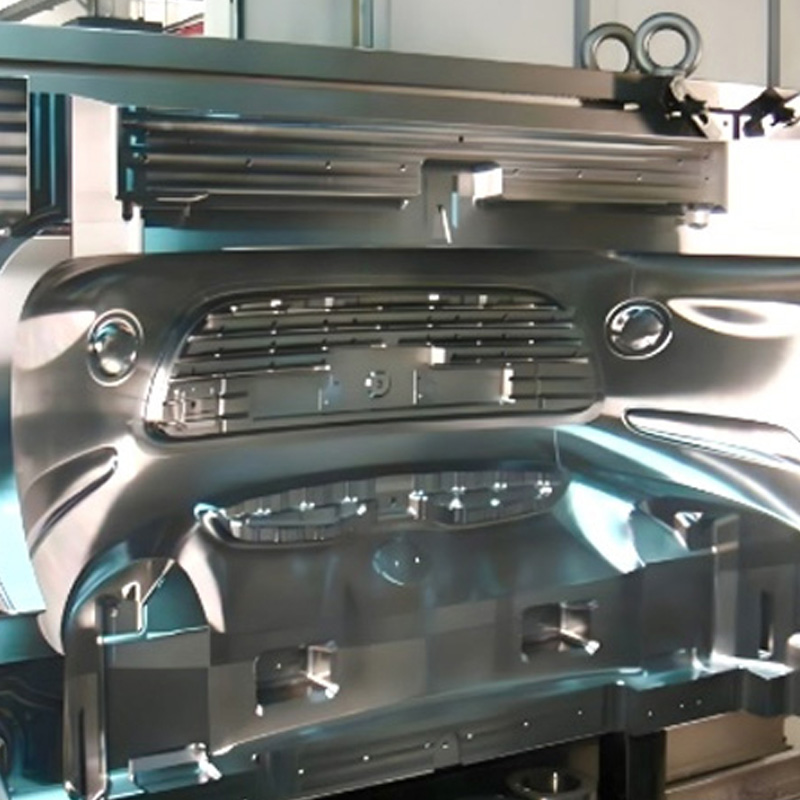
In practical manufacturing and component development fields, companies such as Taizhou Lingfei Mould & Plastic Technology Co., Ltd. are often associated with producing exterior structural parts that reflect how real driving conditions shape design decisions and long term usage behavior.



The company focuses on the field of special equipment manufacturing, and its core business revolves around the design, manufacturing and related technical services of injection molds.
© Taizhou Lingfei Mould & Plastic Technology Co., Ltd.
OEM Injection Mold Factory
