
 English
 Español
Submit feedback

Appliance Plastic Molding: Types, Materials, and Guidelines
Types of Appliance Plastic Molding on the Market
Appliance plastic molding refers to the process of shaping plastic parts for household appliances—refrigerators, washing machines, dishwashers, microwaves, vacuum cleaners, air conditioners, and coffee makers. Parts include outer shells (doors, panels, housings), functional components (knobs, handles, buttons, fan blades), and structural supports (brackets, bases, frames). The following molding processes dominate the appliance industry.
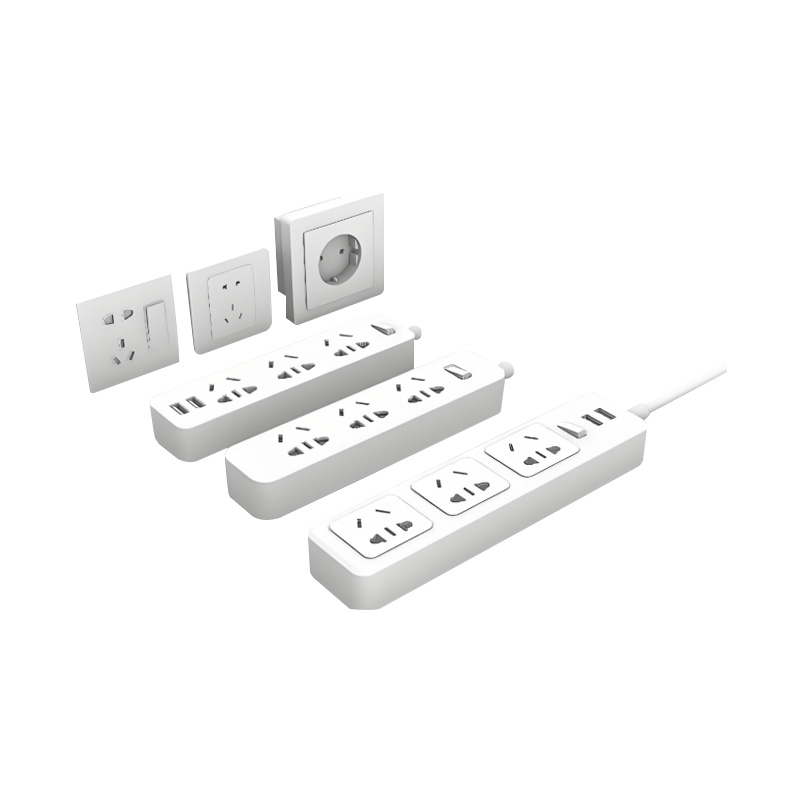
Injection molding (80-85% of appliance plastic parts). Molten plastic is injected under high pressure (50–200 MPa) into a steel or aluminum mold. Used for complex shapes with tight tolerances (±0.05–0.20 mm). Cycle times: 15–60 seconds, depending on part size. Typical parts: refrigerator door liners, dishwasher control panels, vacuum cleaner housings, coffee machine water tanks. Materials: ABS, PP, PS, PC/ABS blends. Mold costs: $10,000–200,000 per tool.
Blow molding (for hollow parts). A hollow tube of molten plastic (parison) is inflated inside a mold cavity. Used for large, hollow, one-piece parts. Cycle times: 30–120 seconds. Typical parts: refrigerator water tanks, detergent bottles (for washing machines), ducting in air conditioners, and humidifier tanks. Materials: HDPE, PP, PET. Low tooling cost ($3,000–15,000), but slower and less precise than injection molding.
Thermoforming (for large, thin shells). A plastic sheet is heated (to 150–200°C) and drawn onto a mold using vacuum or pressure. Used for large, low-stress parts with thin walls (1–4 mm). Cycle times: 45–180 seconds. Typical parts: refrigerator inner liners (ABS or HIPS), washing machine outer tubs (PP), dishwasher door liners. Tooling cost: moderate ($15,000–50,000). Not suitable for complex geometries with deep undercuts.
Compression molding (for thermoset materials). A pre-measured amount of plastic (preform) is placed into a heated mold cavity. The mold is closed under pressure (10–30 MPa), and the plastic cures (cross-links) to a permanent shape. Used for heat-resistant parts. Cycle times: 60–300 seconds. Typical parts: handles of irons, toaster bases, switch housings, cookware handles (phenolic). Materials: phenolic, melamine, urea-formaldehyde, BMC (bulk molding compound). Very high heat resistance (180–250°C).
Appliance Plastic Material Information for Molding
ABS (Acrylonitrile Butadiene Styrene) – The Workhorse of Appliances. ABS accounts for about 35–40% of appliance plastic parts by weight (refrigerator liners, washing machine consoles, vacuum bodies). It is a terpolymer: acrylonitrile provides chemical resistance and heat stability (deflection temperature 85–105°C), butadiene provides impact resistance (Izod notched impact 200–400 J/m), and styrene provides surface finish and processability. ABS has good stiffness (tensile modulus 2,000–2,500 MPa) and is easy to paint and chrome-plate (common for decorative appliance trims). Limitations: Poor UV resistance (outdoors, ABS yellows and becomes brittle in 6–12 months); not for outdoor appliance parts. Poor solvent resistance (acetone, MEK dissolve ABS). Injection molding temperature: 220–260°C. Mold temperature: 40–80°C. Shrinkage: 0.4–0.7%. ABS regrind (recycled sprue and runners) can be blended with virgin material up to 20–30% without significant property loss. Appliances using ABS refrigerators (interior liners often use HIPS, not ABS—cost pressure has replaced ABS with HIPS for many non-visible liners).
PP (Polypropylene) – For Chemical Resistance and Living Hinges. PP is the second most common appliance plastic (25–30% of parts). Uses: washing machine tubs (rotation-molded PP or injection-molded glass-filled PP), dishwasher interior parts (baskets, spray arms), refrigerator door shelves, microwave turntable supports. PP is semi-crystalline, with good chemical resistance (detergents, acids, bases). It has a very low density (0.90–0.92 g/cm³), making it light. PP also forms "living hinges" (thin sections that can bend 1,000,000+ cycles without breaking). Limitations: Lower heat deflection (80–100°C) than ABS. Poor impact resistance at low temperatures (below -10°C, PP becomes brittle). Paint adhesion is difficult (requires flame or corona pre-treatment). Injection molding temperature: 200–250°C. Mold temperature: 30–70°C. Shrinkage: high (1.0–2.5%) depending on glass fiber content. Glass-fiber-reinforced PP (20–40% glass) has higher stiffness (tensile modulus 4,000–7,000 MPa) and heat deflection (120–140°C). Used for washing machine agitators and pump housings.
HIPS (High-Impact Polystyrene) – For Low-Cost Liners and Trim. HIPS is a low-cost material (30–50% cheaper than ABS). Uses: refrigerator inner liners (most brands use HIPS, not ABS, because HIPS is less expensive), ice maker buckets, dispenser chutes, cosmetic trim rings. HIPS has moderate impact resistance (Izod 100–200 J/m) and good processability. Limitations: Poor chemical resistance (cracks in contact with cooking oils, orange peels). Lower heat deflection (75–85°C). Very poor UV resistance (discolors in months). Injection molding temperature: 180–240°C. Mold temperature: 30–60°C. Shrinkage: 0.4–0.7%. HIPS cannot be used for parts that contact hot food (microwave containers). In refrigerators, HIPS liners can crack from stress over 5–10 years, especially around sharp corners where the sheet was thermoformed.
PC (Polycarbonate) and PC/ABS Blends – For High-Impact, Clear, or Flame-Retardant Parts. Polycarbonate is used where impact strength and transparency are required. Applications: clear blender jars (Vitamix, Blendtec), microwave oven doors (glazing), air conditioner fan blades (glass-filled PC), toaster shells. PC has extremely high impact resistance (Izod 600–800 J/m, unbreakable in many applications). It is naturally clear (88–90% light transmission). Limitations: Poor chemical resistance (cracks in contact with alkaline detergents, ammonia). High cost (2–3× ABS). Pricier to mold (higher melt temperature 280–310°C, mold temperature 80–120°C). Shrinkage: 0.5–0.7%. PC/ABS blends (60–80% PC, 20–40% ABS) combine the impact resistance and heat deflection of PC (110–120°C) with the processability and lower cost of ABS. Uses: the front bezels of dishwashers, control panels of ovens, and laptop computer housings (appliances). PC/ABS is used extensively in "smart" appliances with large displays. Flame-retardant grades (V-0 rated per UL94) are required for parts near electronics (power supplies, control boards). These grades contain phosphorus-based or brominated additives (5–15% by weight).



The company focuses on the field of special equipment manufacturing, and its core business revolves around the design, manufacturing and related technical services of injection molds.
© Taizhou Lingfei Mould & Plastic Technology Co., Ltd.
OEM Injection Mold Factory
