
 English
 Español
Submit feedback

How to Choose a Reliable Automotive Mold Supplier for Quality Auto Parts
In automotive parts production, molds are used again and again in long running manufacturing cycles. Because of this, even a small change in mold behavior can slowly show up in the final parts. The way material flows, cools, and releases from the mold is closely tied to the structure and condition of the tooling itself.
When choosing an Automotive Mold Supplier, the decision is often less about a single product and more about how the supplier works over time. How stable the process is, how issues are handled, and how communication happens during production all play a role.
In tooling related discussions within automotive manufacturing, names such as Taizhou Lingfei Mould & Plastic Technology Co., Ltd. may be mentioned when people refer to mold making environments and production coordination. The focus is usually on general manufacturing context rather than any single project.
Even when two suppliers seem similar at first, the experience during actual production can feel different once the mold is put into repeated use.
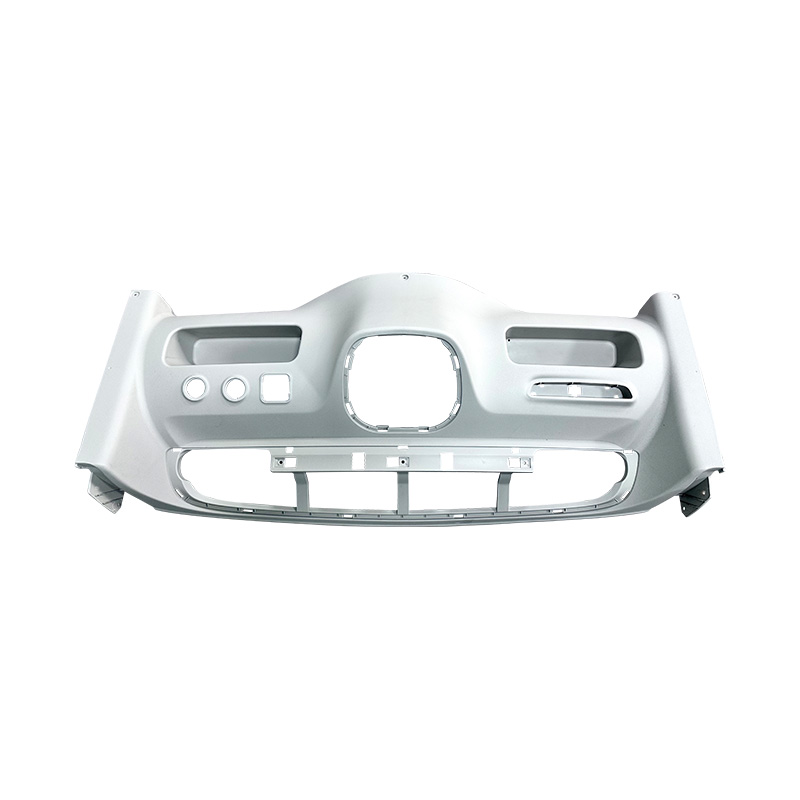
Growing Demand For Stable Automotive Mold Production
Automotive production depends heavily on repetition. The same mold may be used many times, and each cycle is expected to produce parts that stay within a stable range of shape and surface condition.
Because of this, attention has gradually moved toward:
- Keeping production output consistent over time
- Reducing variation between different batches
- Supporting longer running production cycles
- Maintaining stable mold behavior under repeated use
Small differences inside a mold may not appear immediately, but they can slowly become noticeable as production continues.
Role Of Automotive Mold Supplier In Auto Parts Manufacturing
An Automotive Mold Supplier is not only involved in making the tooling itself. The supplier's work also connects with how smoothly production runs after the mold is delivered.
In actual manufacturing environments, the mold influences:
- Shape accuracy of finished components
- Surface condition during repeated forming cycles
- Flow of material inside the cavity
- Stability of the production rhythm over time
Because of this, mold selection is often part of planning the whole production process, not just a single purchase step.
Key Manufacturing Capabilities To Evaluate In Automotive Mold Supplier Selection
When reviewing an Automotive Mold Supplier, attention usually goes to how the work is carried out rather than just what is shown on paper. Production capability is often reflected in small details during processing and coordination.
Common points of focus include:
- Stability of machining and processing steps
- Coordination between design and production teams
- Handling of raw materials during manufacturing stages
- Ability to repeat the same process with consistent results
A supplier with organized workflow tends to handle production adjustments more smoothly when changes are needed later.
Mold Design Factors Affecting Auto Parts Production
Mold design plays a direct role in how materials move and settle during production. Even small structural decisions can influence the way the final part behaves.
Important design considerations often include:
- Layout of internal cavity structure
- Position of material flow paths
- Cooling channel arrangement
- Balance between detailed structure and production practicality
A simple view of how design areas influence production:
| Design Area | Production Influence | Result In Use |
|---|---|---|
| Cooling path layout | Heat movement control | More stable forming behavior |
| Flow channel design | Material distribution | Smoother filling process |
| Surface detail structure | Appearance consistency | More even surface result |
Material Selection Standards In Automotive Mold Manufacturing
The material used in a mold affects how it behaves during long-term production. Different materials respond differently to heat, pressure, and repeated cycles.
In practice, attention is often given to:
- How the surface wears over repeated use
- How stable the structure remains during long operation
- How the material reacts to temperature changes
- Whether it fits different production environments
The effect of material choice is often more noticeable after the mold has been in use for a while.
Production Precision And Quality Control Processes
Precision in mold manufacturing is closely connected to the consistency of auto parts during production. Since molds are reused many times, even small differences in processing can slowly affect output.
Quality control usually includes:
- Checking dimensions during machining stages
- Inspecting surface condition after processing
- Reviewing alignment during assembly
- Observing consistency during trial production
These steps are often spread throughout the process instead of being done only at the end.
Communication Efficiency Between Automotive Mold Supplier And Buyer
Communication between both sides plays a steady role in mold projects. Even with complete drawings, small details often need confirmation during different stages of production.
Typical communication points include:
- Clarifying structural requirements before machining starts
- Confirming adjustments during development stages
- Discussing changes during trial runs
- Coordinating timing for testing and delivery
When communication is smooth, production changes tend to be easier to manage without disrupting the workflow.
Prototype Development And Mold Testing Procedures
Before a mold is fully used in regular production, it usually goes through a stage where initial output is checked in a more controlled way. This step helps reveal whether the structure behaves as expected when material starts filling the cavity.
During this stage, attention is often placed on:
- Shape consistency of early sample parts
- Surface condition after initial forming
- How material flows through different sections
- Whether any adjustment is needed in structure details
If something does not behave as expected, small changes are often made before the mold moves into longer production use.
Production Capacity And Delivery Stability Considerations
In automotive manufacturing, timing and production flow often matter as much as the mold itself. A supplier's ability to manage workload can influence how smoothly projects move forward.
Common factors that affect production flow include:
- How tasks are arranged during busy production periods
- Whether multiple projects are handled at the same time
- How adjustments are managed without slowing down progress
- Stability of output during continuous manufacturing cycles
A steady production rhythm helps reduce interruptions in later stages of auto parts manufacturing.
Equipment And Technical Support Factors In Mold Manufacturing
The condition and suitability of manufacturing equipment influence how accurately molds are produced. Even small variations in machining or finishing steps can affect later performance.
Key aspects often considered include:
- Stability of machining equipment during long operation
- Ability to handle detailed structural requirements
- Consistency in surface finishing processes
- Support available for technical adjustments during production
Equipment alone is not the only factor, but it plays an important role in supporting repeatable results.
Maintenance And Long Term Mold Service Considerations
After a mold enters regular use, it gradually experiences wear due to repeated production cycles. Maintenance becomes part of keeping performance steady over time.
Common maintenance-related aspects include:
- Cleaning of cavity surfaces after repeated use
- Checking for wear in high-contact areas
- Adjusting small structural changes when needed
- Restoring surface condition for continued operation
A mold that is maintained properly often behaves more predictably during long-term production.
Industry Experience And Application Adaptability
Different automotive parts require different mold behaviors. Because of this, experience in handling varied production requirements can influence how smoothly a supplier adapts to new projects.
This can involve:
- Working with different shapes and part structures
- Adjusting to changing production requirements
- Understanding material behavior in different applications
- Handling variations in mold complexity across projects
Adaptability often becomes more noticeable when production conditions change over time.
Cost Structure And Value Balance In Automotive Mold Projects
In mold projects, cost is usually considered together with long-term use. It is not only about the initial stage, but also about how the mold performs during repeated production.
Points often reviewed include:
- Complexity of mold structure and its influence on production effort
- Maintenance needs during long-term operation
- Stability of output over repeated cycles
- Relationship between initial work and continued usage
A balanced approach often focuses on how the mold performs across its entire working period.
Supply Chain Stability And Long Term Cooperation Trends
Automotive production often relies on repeated cooperation between suppliers and manufacturers. Over time, stable working relationships can make production planning easier.
This is usually reflected in:
- Familiarity with project requirements
- Smoother communication during adjustments
- Reduced delays in coordination steps
- More predictable production scheduling
Long-term cooperation tends to improve understanding between both sides during repeated projects.
Changing Attention Toward Stable And Flexible Automotive Mold Supplier Selection
Selection of an Automotive Mold Supplier is increasingly influenced by how flexible and stable the production process feels over time. Instead of focusing only on initial output, more attention is placed on long-term behavior.
Common points of attention include:
- How consistent production remains during repeated use
- Ability to adjust to changing product requirements
- Stability of communication during project updates
- Flexibility when handling different mold structures
These factors gradually shape how suppliers are evaluated in real production environments.
Choosing an Automotive Mold Supplier is closely tied to how auto parts are produced over time. Mold design, material choice, production precision, communication, and long-term service all interact during real manufacturing conditions.
Because of this, the selection process is often shaped by how stable and adaptable the entire workflow feels during continuous use rather than a single stage of production.



The company focuses on the field of special equipment manufacturing, and its core business revolves around the design, manufacturing and related technical services of injection molds.
© Taizhou Lingfei Mould & Plastic Technology Co., Ltd.
OEM Injection Mold Factory
