1. What is a daily necessity mold?
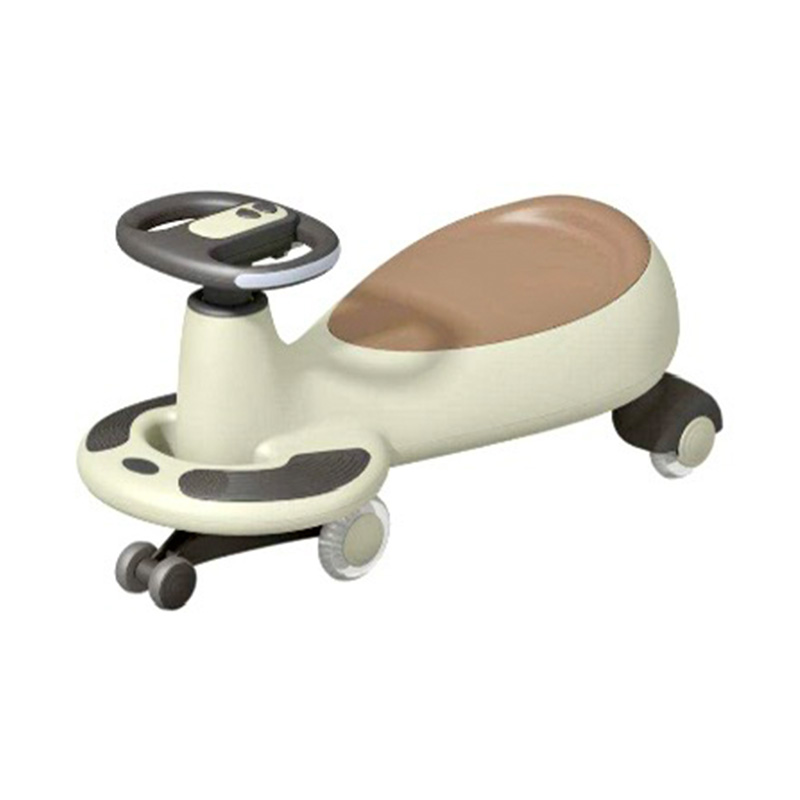
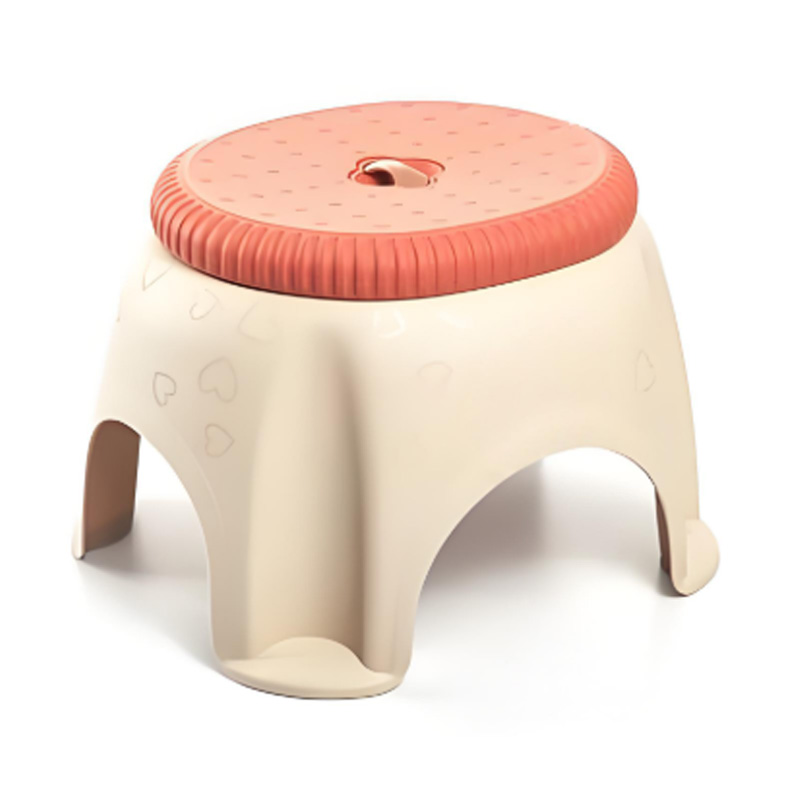
A daily necessities mold is a precision injection mold specifically designed for producing a wide variety of everyday plastic items efficiently. These items cover multiple sectors, including home goods, kitchenware, bathroom accessories, office supplies, and personal care products. Examples include storage bins, lunch boxes, toothbrush holders, soap dishes, file organizers, and cosmetic cases. The molds are engineered to ensure uniformity in size, appearance, and functionality, which is critical for mass production. High mold precision enables manufacturers to meet strict quality standards while maintaining efficiency.
(1)How does it improve production efficiency?
- Multi-cavity molding: Multiple items can be produced simultaneously, dramatically increasing output.
- Shortened production cycles: Automated molding reduces the time required per product, supporting large-scale orders.
- Labor and cost savings: Reduces manual labor requirements and minimizes human error.
- Scalability: Molds can be adjusted or expanded to meet growing demand without sacrificing quality.
By integrating great design techniques, daily necessities allow manufacturers to produce complex shapes, multi-functional structures, and aesthetically appealing products consistently.
(2)Can it be customized?
- Customization is a major advantage. Mold designs can be tailored according to client specifications
- Product shape and dimensions for ergonomic or space-saving designs.
- Surface textures and finishes for aesthetic appeal.
- Special features, such as compartments, handles, or stackable components.
2. What is a chair injection mold?
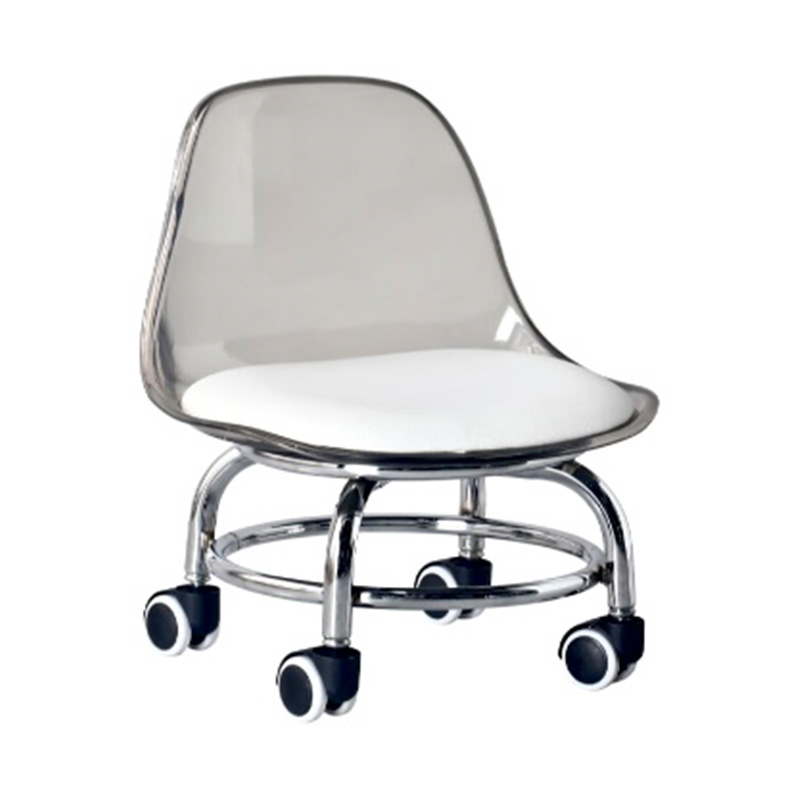
A chair injection mold is a specialized mold designed for the production of plastic chairs. These molds ensure durability, structural integrity, and consistent dimensions. Applications include household chairs, office seating, outdoor furniture, and commercial-grade chairs for restaurants or schools. High-precision molds allow manufacturers to achieve ergonomic designs that provide comfort and stability, while also supporting aesthetic variations such as textures, patterns, or colored plastics.
How does it enhance production efficiency?
- Multi-cavity design: Several chair components, such as seats, backs, and legs, can be produced in one cycle.
- Reduced cycle time: Automated molding minimizes the need for assembly labor.
- Material optimization: Efficient mold design reduces plastic waste.
- Scalable production: High-volume manufacturing is possible without compromising quality.
Chair molds can be adapted to produce:
- Ergonomic seating for maximum comfort.
- Stackable or foldable chairs for space-saving applications.
- Unique aesthetic designs for branding or market differentiation.
3. What is a plastic kitchenware mold?
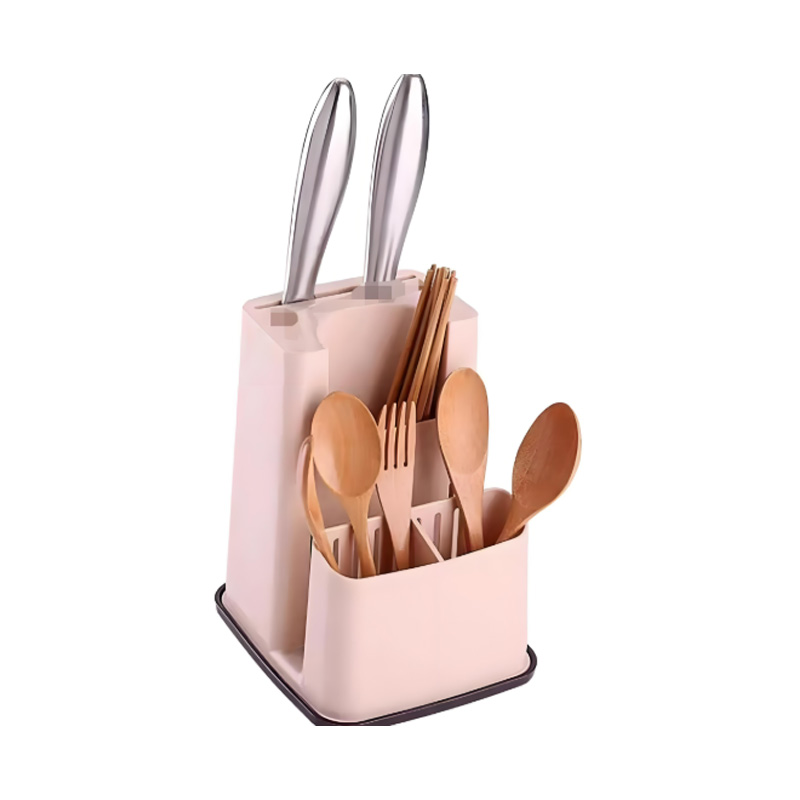
A plastic kitchenware mold is an injection mold specifically designed to produce a variety of kitchen items efficiently. Typical products include lunch boxes, spice containers, cutting boards, utensil holders, and storage solutions. These molds guarantee precision, consistent dimensions, and smooth finishes, which are essential for both safety and usability in food-related applications. By combining great design and manufacturing techniques, these molds enable high-volume production while maintaining aesthetic appeal and functional quality.
(1)Modern molds allow for:
- Intricate shapes, such as segmented containers or modular designs.
- Multi-functional features, including compartments, stackable systems, or integrated lids.
- Ergonomic designs for easy handling and usability.
These capabilities allow kitchenware manufacturers to produce innovative products that meet evolving consumer demands.
(2)What materials are suitable?
- Food-grade plastics: PP, PE, and other safe polymers are standard.
- Biodegradable options: Support environmentally conscious manufacturing.
- Reinforced plastics: Provide durability for heavy-duty kitchen applications.
Daily necessities molds, chair injection molds, and plastic kitchenware molds are essential tools in modern plastic manufacturing. They combine precision engineering, high production efficiency, and cost-effectiveness to meet the growing demands of consumers across multiple sectors. By supporting customization, eco-friendly materials, and complex designs, these molds enable manufacturers to produce high-quality, aesthetically appealing, and functional products consistently. Additionally, proper maintenance, technical support, and optimized production processes ensure long-term usability and reliability, making these molds a valuable investment for both small businesses and large-scale manufacturers. In today's competitive market, leveraging great mold technologies not only enhances productivity but also aligns with sustainable and innovative manufacturing trends.

 English
 Español

 +86-18958510469